Clean vs. Deep-Cleaned: Getting Your Restaurant Showing-Ready Before You Sell
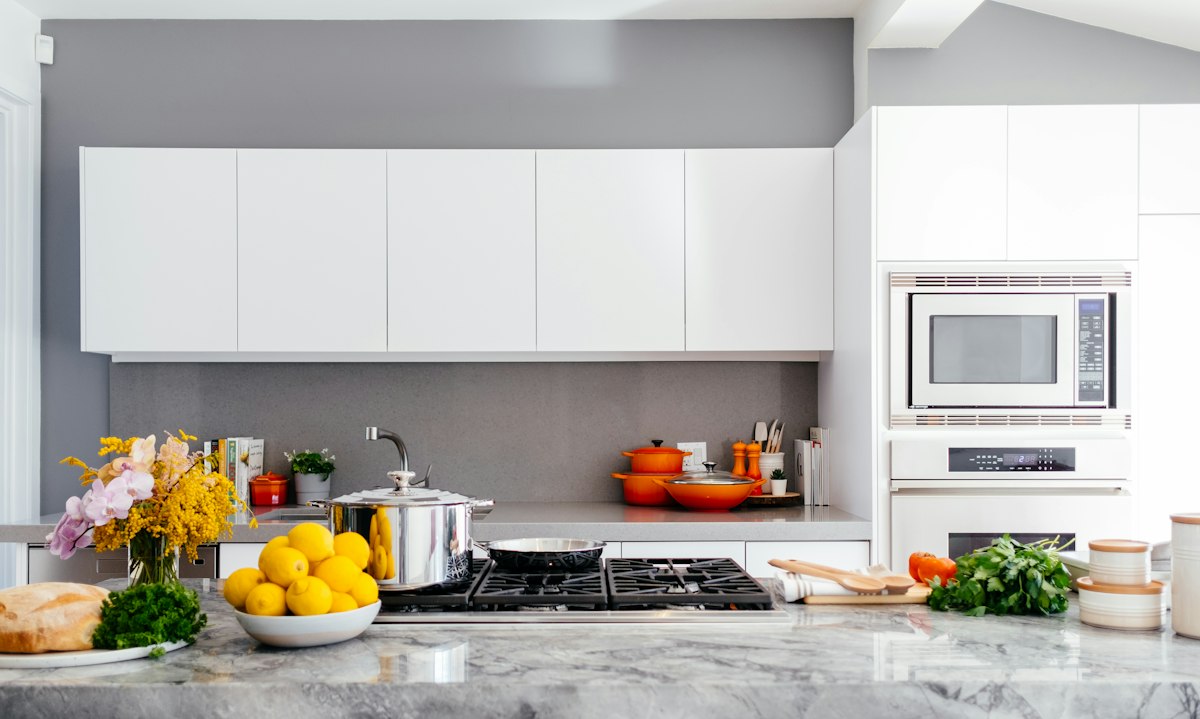
General information, not legal or financial advice — every restaurant, lease, and buyer is different, so run your own numbers and lean on your broker, accountant, and attorney.
Here's something most sellers underestimate: a buyer decides how they feel about your restaurant in the first sixty seconds of walking in. Long before they read your P&L, they're reading your floors, your line, and the corners you think nobody looks at. A restaurant that gleams tells a buyer "this business was cared for." A film of grease behind the fryer tells them the opposite — and quietly knocks thousands off what they're willing to pay.
The catch is that the cleaning that keeps you open every night is not the cleaning that sells your restaurant. Those are two different jobs. Let's break down the difference — and exactly what "showing-ready" looks like.
Daily clean vs. deep clean — what's actually different
Daily cleaning is surface-level and high-touch: wiping and sanitizing counters, washing dishes, mopping floors, wiping down appliances, and checking food storage. It's what keeps you compliant and open. It's necessary — but it's designed to be fast, and fast cleaning skips the places grime actually hides.
Deep cleaning is a top-to-bottom job that goes where the rag never reaches. It means disassembling equipment, pulling heavy appliances out from the wall, and getting into the contamination hotspots daily cleaning glides right past — vent hoods, grease traps, behind the fryer, under the storage shelving, inside the ice machine. This is the grease and buildup that leads to failed inspections, pests, and — when a buyer spots it — cold feet.
Think of it this way: daily cleaning is what you do for service. A deep clean is what you do for the sale. The buyer isn't grading tonight's shift — they're guessing how well the place has been run for the last five years, and every hidden corner is evidence.
Why "clean" is worth real money when you're selling
A spotless restaurant does three things for your sale at once:
- It signals a well-maintained business. Clean equipment reads as maintained equipment. A grimy hood or a crusted fryer makes a buyer wonder what else was neglected — the walk-in compressor, the grease trap, the books.
- It lets the buyer picture themselves there. The easier it is to imagine flipping on the lights and running their concept, the faster they move. Clutter and grime break that daydream.
- It protects your price. Cleanliness problems don't usually kill a deal outright — they become negotiating ammunition. "I'll need to gut and deep-clean the kitchen" is how a buyer justifies a lower offer. Take that argument off the table.
Your buyers are, in effect, your most demanding mystery shoppers — and unlike a health inspector, they can walk away.
The showing-ready deep-clean checklist
Before the photos and before the first walk-through, work through the areas buyers actually scrutinize:
- The hood & exhaust system. This is the big one. Under fire code (NFPA 96), commercial exhaust systems are cleaned on a schedule that ranges from monthly for high-grease/solid-fuel cooking to annually for low-volume kitchens — and a professional hood cleaning runs anywhere from about $200 to $3,000+ depending on system size and how much grease has hardened in the ducts. A recently cleaned, tagged hood is one of the most reassuring things a buyer can see. (Related: who actually owns the hood system.)
- The ice machine. Consistently the single most-missed item on cleaning schedules and one of the most-cited gaps in health inspections. Buyers who know restaurants will open it — make sure it's sanitized.
- Behind and under the line. Pull the fryer, the range, the reach-ins. Degrease the walls and floor behind them. This is where "daily clean" restaurants get exposed.
- The walk-in. Floors, shelving, gaskets, fan covers. A clean, organized walk-in signals a disciplined kitchen.
- The grease trap. Serviced and not overdue — an overflowing trap is both a smell and a red flag.
- Front of house. Entrance, restrooms, and the bar get the most eyes — declutter, deep-clean, and fix what's broken. Restrooms punch far above their weight in a buyer's gut impression.
- Cosmetic quick wins. A fresh coat of paint, patched wall holes, replaced burned-out bulbs, and repaired tile cost little and read as "cared for."
Timing and cost: treat it like staging a house
You wouldn't list a house without cleaning it first — a restaurant is no different, just with a hood and a walk-in instead of a kitchen island. The move is to book a professional deep clean before you shoot listing photos and before showings begin, then keep up daily cleaning so it stays camera- and tour-ready. One well-timed deep clean does double duty: it makes your listing photos pop and it makes the in-person walk-through close the gap.
Worth knowing: kitchens cleaned on schedule are cheaper to deep-clean than neglected ones — hardened grease means more labor. So even setting cost aside, the restaurant that was kept clean all along sells more easily and for more money.
The bottom line
Daily cleaning keeps you open. A deep clean helps you sell. When a buyer walks a spotless kitchen — clean hood, sanitized ice machine, degreased line — they don't just see a clean restaurant; they see a business that was run right. That impression is worth real money, and it's one of the cheapest ways to protect your asking price.
Getting ready to sell? Start with how to sell a restaurant and the due-diligence checklist buyers will run — then list your restaurant on ListingLedge, the marketplace built only for hospitality, and get it in front of real buyers.
Reader poll
You're touring a restaurant to buy — and there's hardened grease behind the line. What do you do?
Tap an answer to vote and see what others think.
Frequently Asked Questions
What's the difference between daily cleaning and deep cleaning a restaurant?
Daily cleaning is fast, surface-level upkeep — sanitizing counters, washing dishes, mopping floors, wiping appliances, checking food storage — meant to keep you compliant and open. Deep cleaning is a top-to-bottom job that disassembles equipment, moves heavy appliances, and reaches the spots daily cleaning skips: vent hoods, grease traps, behind the fryer, under shelving, and inside the ice machine. Daily cleaning is for service; a deep clean is what you do to sell.
Why does deep cleaning matter when selling a restaurant?
Buyers judge a restaurant in the first minute, and cleanliness is their proxy for how well the business was maintained. A spotless kitchen builds confidence, helps the buyer picture running the place, and removes 'I'll have to gut and clean this' as a reason to lower their offer. Grime rarely kills a deal outright — it becomes negotiating ammunition that chips away at your price.
How much does a professional restaurant deep clean or hood cleaning cost?
A professional kitchen hood/exhaust cleaning typically runs from about $200 to $3,000+, depending on system size and how much grease has hardened in the ducts. Kitchens cleaned on schedule cost less to service than neglected ones, since hardened grease means more labor. A full deep clean (hood, walk-in, ice machine, behind equipment, front of house) is best booked before listing photos and showings.
What areas do restaurant owners most often miss before a showing?
The ice machine is the single most-missed item and a top health-inspection gap. Others include the exhaust hood and filters, behind and under the fryer and range, the walk-in (floors, gaskets, fan covers), and the grease trap. Front-of-house restrooms and the entrance also carry outsized weight in a buyer's first impression.
About the author
Written by the ListingLedge editorial team — we cover restaurant sales and leasing, commercial kitchens, event spaces, hotels, and hospitality operations. ListingLedge is the marketplace where hospitality businesses are bought, sold, leased, and booked.