How to Price an Event Space Rental
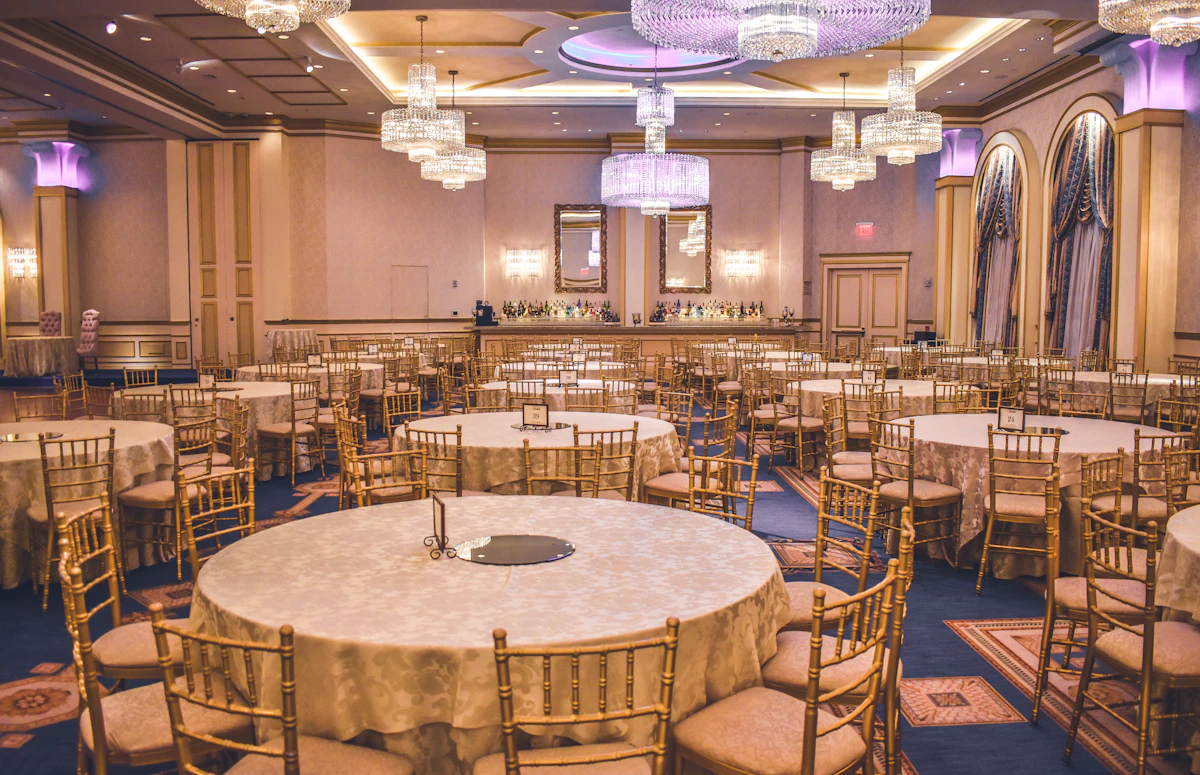
Pricing is the lever that decides whether your event space sits empty or books out. Charge too much and inquiries dry up; charge too little and you're working weekends for less than the venue down the street. This guide breaks down the common pricing models, what genuinely drives your rate, and how to land on a number the market will actually pay.
The Main Pricing Models
- Hourly — best for spaces used for meetings, workshops, photo shoots, and shorter gatherings. Set a minimum number of hours so a two-hour booking doesn't tie up your whole evening.
- Flat / day rate — a single price for a block (say, a 6-hour evening or a full day). Simple for clients to understand and common for weddings and parties.
- Per-guest — pricing that scales with headcount, often used when food, staff, or seating are bundled in. Works well for catered events.
- Packages — bundle the space with tables, chairs, AV, setup, or coordination at tiered price points. Packages raise your average booking value and make comparison-shopping harder for the client.
Many venues mix models — for example, an hourly rate for weekday corporate use and a flat weekend-evening rate for events.
What Actually Drives Your Rate
- Location — a walkable, desirable, easy-to-park location commands more than an out-of-the-way one.
- Capacity — how many guests you can legally and comfortably hold. Bigger isn't always pricier per head, but total capacity sets your ceiling.
- What's included — tables, chairs, linens, AV, a kitchen or prep area, parking, and on-site staff all justify a higher rate. Bare-walls spaces rent for less.
- Exclusivity and vibe — a unique, photogenic, or historic space earns a premium because clients can't get the look anywhere else.
- Day and time — Saturday evenings are the most valuable slot of the week. Fridays and Sundays follow; weekday daytimes are cheapest. Price accordingly.
- Season — wedding and holiday seasons carry premium rates; slow months may need promotions to fill.
Research Your Market First
Before you set a number, look at comparable spaces in your area — similar capacity, similar amenities, similar neighborhood. Note not just their headline rate but their minimums, what's included, and their deposit. You're trying to find the going rate for a space like yours, then position just above or below it depending on how your space compares. Browsing other event spaces on a marketplace is a fast way to see how comparable venues package and price themselves.
Don't Forget Minimums, Deposits, and Add-Ons
- Minimum spend or hours — protects your prime slots from being eaten up by small, low-value bookings.
- Deposit — a refundable or partial deposit to hold the date weeds out non-serious inquiries and protects you from last-minute cancellations.
- Cleaning and damage — bake cleaning into the rate or charge it separately, and consider a refundable damage deposit for larger events.
- Add-ons — AV, extra hours, early setup, a coordinator, parking. These are where a $1,500 booking quietly becomes a $2,200 one.
Common Pricing Mistakes
- Underpricing to "stay booked." A full calendar at the wrong price just means you're busy and broke. Raise rates and you'll often make the same money with less wear on the space.
- No weekend or peak premium. Charging the same on a Tuesday morning and a Saturday night leaves real money on the table.
- No minimum. Letting a three-hour booking block a Saturday is the most expensive mistake a venue makes.
- Hiding the price. Vague pricing kills inquiries. A clear starting rate ("from $X") attracts serious clients and filters out the rest.
List Your Event Space
Once you've set your rate, get it in front of the people planning events. List your event space free on ListingLedge — set your hourly or flat rate, your minimum, your capacity, and what's included, and let clients request dates directly. Looking for a venue instead? Browse event spaces by city, capacity, and price.
Frequently Asked Questions
How should I price my event space?
Pick a model — hourly (meetings and shorter events), a flat day or evening rate (weddings and parties), per-guest (when food or staff are bundled), or tiered packages. Research comparable venues in your area, then set your rate based on your location, capacity, and amenities.
How much can you charge to rent an event space?
Rates depend on location, capacity, amenities, exclusivity, and — heavily — the day and time, with Saturday evenings commanding the most. Research comparable local venues' rates, minimums, and what's included, then price at, above, or below based on how your space compares.
Should an event space have a minimum booking?
Yes. A minimum spend or minimum number of hours protects your prime slots (especially Saturday evenings) from being tied up by small, low-value bookings, and is standard for in-demand venues.
What add-ons can event spaces charge for?
Common paid add-ons include AV and sound, extra hours, early setup or late teardown, a coordinator, parking, tables/chairs/linens, and cleaning. These extras often turn a base booking into a meaningfully larger one.
About the author
Written by the ListingLedge editorial team — we cover restaurant sales and leasing, commercial kitchens, event spaces, hotels, and hospitality operations. ListingLedge is the marketplace where hospitality businesses are bought, sold, leased, and booked.