Opening a Sushi Bar: Real Costs, Profitability, and Finding the Right Space
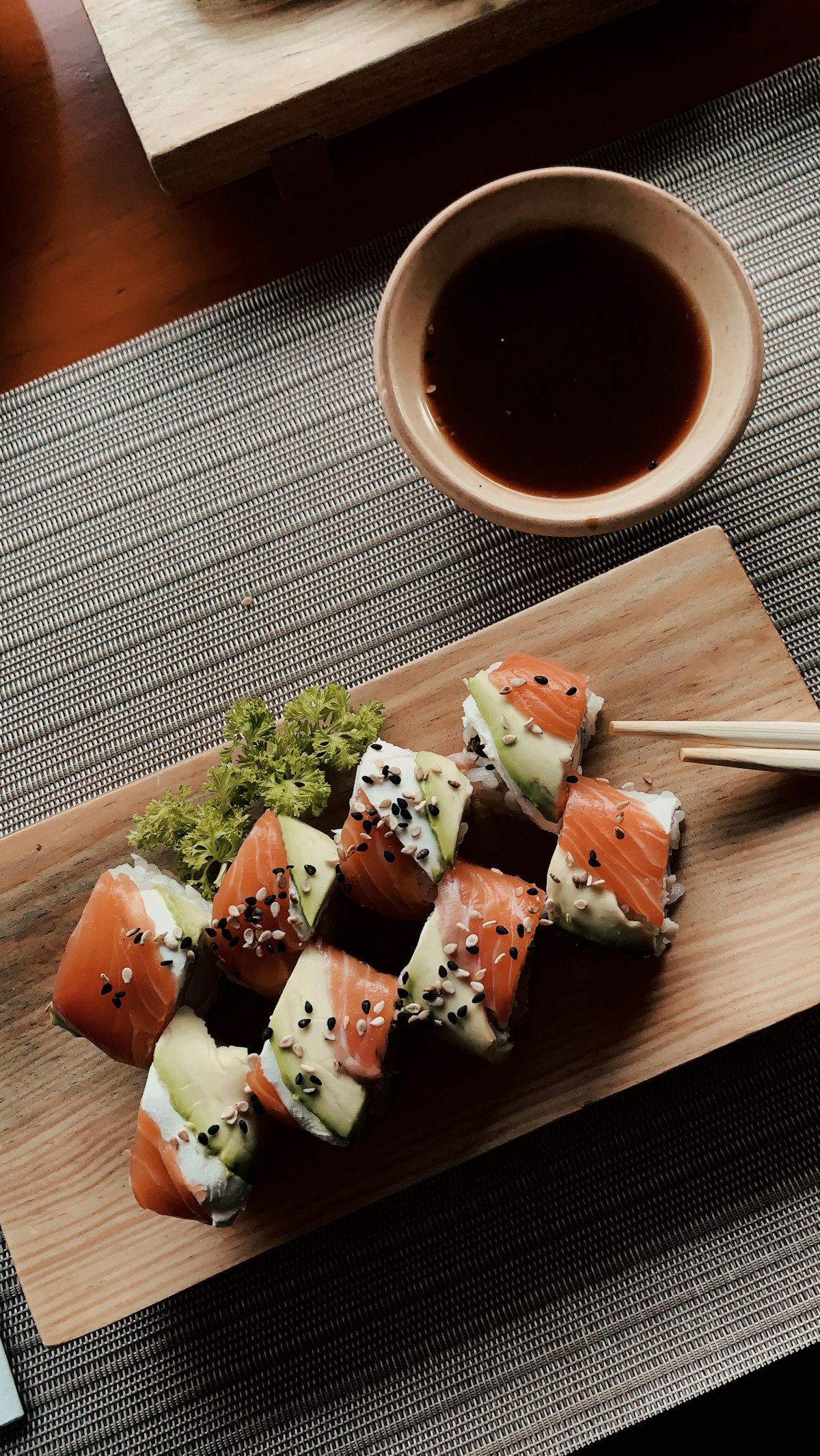
Short answer: A well-run sushi bar can generate $3,000–$6,000 in daily revenue on modest seat counts (20–40 seats), with food cost running 25–32% — lower than most cuisines thanks to premium pricing. Opening one typically costs $80K–$150K in capital, plus $180K–$300K annually to operate. The real variable is location: find a "second-gen" space (hoods already in place) in high foot traffic, and you can be producing in weeks instead of months.
The Sushi Bar Opportunity
Sushi is no longer niche. Americans spend over $6B annually on sushi and Japanese restaurants. The appeal is universal: fast service, premium pricing, and built-in perceived value.
Why sushi wins:
- Premium pricing ($18–$35 per person) — higher than most casual concepts
- Low food cost (25–32%) — lower than traditional cuisine, thanks to premium positioning
- Repeat customer loyalty (habitual, not occasional)
- Operational simplicity (limited menu = training ease + consistency)
- Flexible formats (bar, counter, intimate space — works in tight square footage)
The Real Cost to Open a Sushi Bar
Capital Costs: $80K–$150K
- Kitchen build-out & equipment: $40K–$60K (sushi bar counters, rice cookers, prep tables, ventilation)
- Furniture, POS, tech: $12K–$20K
- Permits & licenses: $3K–$8K (health, liquor, business)
- Initial inventory: $5K–$10K (fish, rice, nori, supplies—pricey but short shelf-life)
- Branding, signage, website: $5K–$10K
- Contingency buffer: $10K–$20K (always needed)
Monthly Operating Costs: $15K–$25K
- Rent: $5K–$10K (location-dependent; Financial District Manhattan = $8K+)
- Labor (4–6 staff): $6K–$10K
- Utilities, insurance, supplies: $2K–$3K
- Inventory restock: $2K–$3K
Annual operating expense: $180K–$300K (before revenue)
Financing Your Sushi Bar
Most sushi bars use one of three paths:
- SBA 7(a) loans: 25% down ($20K–$37K), 10-year term, ~7% rate — most common for restaurant startups
- Seller financing (if leasing an equipped space from an operator exiting)
- Personal capital + line of credit: Higher risk, faster approval
Use our Restaurant Deal Calculator to model your total project cost, cash requirement, and financing scenarios.
Profitability: Real Year 1 Math (Conservative Estimate)
Assumptions: 30-seat sushi bar, 1,500 sq ft, $7,000/month rent (upscale location), $2,500/day revenue average.
- Revenue: $600K–$900K (avg $2,000–$3,000/day)
- COGS (30%): $180K–$270K
- Labor (28%): $168K–$252K
- Rent + overhead (22%): $132K–$198K
- Net margin: 8–12% ($48K–$108K profit)
Year 2+: 15–18% margin as systems tighten and repeat customers grow.
The Location Factor: A Real Example
Finding the right sushi space is half the battle. The ideal location has:
- High foot traffic: 500+ people daily within 3 blocks
- Professional/affluent demographic: Willing to spend $20+ per meal
- Existing hood + grease trap: Saves $15K–$25K and months of permitting
- Flexible lease terms: 5-year minimum, with renewal options
- Reasonable rent ratio: Below 15% of projected revenue
A "second-gen" (pre-equipped) space in a prime market is exactly the kind you should move on fast. The Manhattan Financial District space we track is a real example: $9,000/month rent, hood system + grease trap in place, existing equipment ready to use. That pre-built infrastructure saves you 2–3 months and $20K–$30K in buildout.
What Goes Right (and What Kills Sushi Bars)
Success factors:
- High-margin cuisine with loyal customers
- Short training curve for staff (limited menu)
- Flexible scale (counter seating works in tight spaces)
- Premium positioning = less price-sensitive guests
Failure factors (the ones that actually kill sushi bars):
- Fish spoilage: Daily inventory management is critical — can't sit on inventory
- Staff turnover: Sushi chefs are specialized; losing one hurts revenue immediately
- Wrong location: Even great sushi struggles in low-foot-traffic areas
- Undercapitalization: Most fail in year 1 due to cash flow, not concept — hidden startup costs eat reserves
Next Steps: Before You Commit
- Model your numbers: Use our Restaurant Deal Calculator to see your total project cost and cash requirement
- Verify the location: Spend a week observing foot traffic, competitor proximity, parking
- Find a second-gen space: Pre-built kitchen saves time and money — look for existing hood system and grease trap already in place
- Understand the lease: Know your rent escalation clauses, assignment requirements, and renewal terms
- Source fish suppliers: Relationships matter here — quality, consistency, and reliability make or break daily operations
Browse restaurant spaces for lease on ListingLedge and start your due diligence today. Ready to explore financing options? Our calculator shows you SBA terms, seller financing, and cash requirement scenarios.
Frequently Asked Questions
How much does it cost to open a sushi bar?
Capital costs typically range $80K–$150K, covering kitchen build-out ($40K–$60K), equipment, permits, initial inventory, and contingency. Monthly operating costs run $15K–$25K, depending on location and staffing. Finding a pre-equipped space (second-gen) saves $20K–$30K in buildout.
Is sushi restaurant profitable?
Yes, when positioned correctly. Sushi commands premium pricing ($18–$35 per person), generates 25–32% food cost (lower than most cuisines), and builds repeat customer loyalty. Year 1 net margin is typically 8–12%; by Year 2 it reaches 15–18% as systems tighten and repeat customers grow.
How much revenue can a sushi bar generate?
A well-run 30-seat sushi bar typically generates $2,000–$3,000 in daily revenue, or $600K–$900K annually. This assumes good location (high foot traffic), operational efficiency, and premium positioning. The range is wide because location, seat count, and service model (bar vs. table) all affect revenue.
What food cost is normal for a sushi restaurant?
Sushi typically runs 25–32% food cost — lower than most cuisines because sushi commands premium pricing. That lower food-cost ratio gives you flexibility on labor and rent while still maintaining profitability. Compare this to 30–35% for traditional cuisine or 28–35% for casual concepts.
What is the best location for a sushi bar?
High foot traffic (500+ people daily within 3 blocks), professional or affluent demographics, existing exhaust hood and grease trap (pre-equipped space), flexible lease terms (5-year minimum with renewal options), and rent below 15% of projected revenue. A pre-equipped 'second-gen' space in a prime market is worth moving on quickly.
How do I finance a sushi bar startup?
Common financing paths: SBA 7(a) loans (25% down, 10-year term, ~7% rate), seller financing (if taking over an equipped space), or personal capital + line of credit. Use a restaurant affordability calculator to model your project cost, cash requirement, and financing scenarios.
What kills sushi bar businesses?
Common failure factors: fish spoilage (inventory management discipline), sushi chef turnover (specialized skill loss), wrong location (low foot traffic), and undercapitalization (hidden startup costs eat reserves). Most failures are due to cash flow in year 1, not concept weakness.
Can you open a sushi bar in a second-generation space?
Yes, and it's a smart move. A pre-equipped space (hood system, grease trap, walk-in already installed) lets you skip 2–3 months of permitting and saves $20K–$30K in buildout. This is exactly the kind of space to move on fast — it dramatically improves your path to opening and your cash position.
About the author
Written by the ListingLedge editorial team — we cover restaurant sales and leasing, commercial kitchens, event spaces, hotels, and hospitality operations. ListingLedge is the marketplace where hospitality businesses are bought, sold, leased, and booked.
Pick ListingLedge as a preferred source and Google shows our articles first in Top Stories and AI Overviews.