Restaurant Cell Phone Policy: Handling Staff and Phones Without Killing Morale
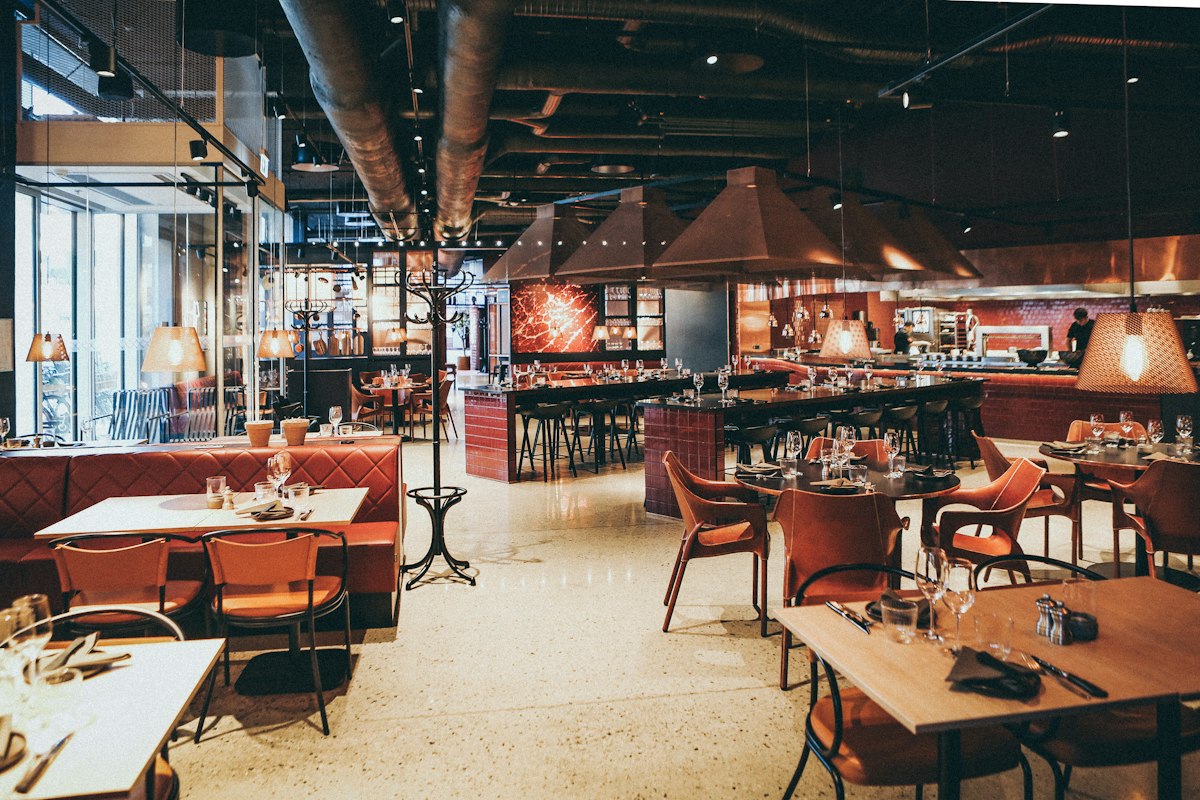
Walk into any restaurant during a slow mid-afternoon and you'll see it: a server thumbing through their phone at the station, a line cook checking a text between tickets, a host scrolling behind the stand. Phones aren't going away — but on a busy floor, an unmanaged phone habit quietly erodes service, safety, and the guest experience. The fix isn't a screaming manager or a blanket ban nobody follows. It's a clear, fair cell phone policy your team actually buys into.
This guide covers why it matters, what a good policy includes (with a template you can copy), how to roll it out without tanking morale, and — because we look at hundreds of restaurants a year — what a floor full of heads-down staff quietly tells a potential buyer about your business.
Why a Cell Phone Policy Matters More Than You Think
It's tempting to treat phones as a minor annoyance. On the floor, they're not:
- Service and speed. A server checking a notification is a table not greeted, a drink not refilled, a check not dropped. Guests feel attention — and its absence.
- Food safety and hygiene. Phones are among the germiest things we carry. In a kitchen or behind a bar, a phone handled between food touches is a real contamination risk — and a health-inspector red flag.
- Physical safety. A cook distracted at the flat-top or a runner not watching the floor is how burns, spills, and slips happen.
- Culture and fairness. When one person is always on their phone, the teammates covering for them resent it. Nothing corrodes a crew faster than uneven standards.
- The guest's read on your brand. A guest who sees staff on phones assumes nobody's minding the store. It cheapens even a great meal.
What a Good Restaurant Cell Phone Policy Includes
A policy that works is specific, fair, and enforceable. At minimum, cover:
- Where phones go during a shift — a locker, a bag, or a silenced apron pocket, not in-hand on the floor.
- When use is allowed — on breaks and off the clock, in the break room or outside, never in guest-facing or food-prep areas.
- Genuine exceptions — a documented family emergency, a caregiver on call, or roles that require a phone (managers, delivery and online-order coordination).
- Company communication — if you use a scheduling or messaging app, say how and when staff should check it.
- Consequences — a clear, progressive path (reminder, documented warning, then formal discipline), applied consistently to everyone.
Free Template: Restaurant Cell Phone Policy
Copy this into your employee handbook and adapt it to your restaurant:
Personal Cell Phone Policy. Personal phones must be silenced and stored (locker, bag, or apron pocket) during your scheduled shift. Phones may not be used in the dining room, at the bar, in the kitchen, or in any food-prep or guest-facing area. You're welcome to use your phone during scheduled breaks, in the break room or outside.
If you're expecting an urgent personal call — a family emergency, a caregiver situation, a medical matter — let a manager know at the start of your shift and we'll accommodate you. Managers, and staff assigned to delivery or online-order duties, may use a phone as required for those tasks.
Repeated phone use on the floor will be handled like any other performance issue: a verbal reminder, then a written warning, then further steps as outlined in this handbook. This policy applies to everyone, in every role.
How to Roll It Out Without Killing Morale
The policy isn't the hard part — buy-in is. A ban dropped from on high breeds resentment and quiet rebellion. Do this instead:
- Explain the "why." Frame it around guests and teammates, not control: "When we're all present, service is better, tips are better, and nobody's left covering."
- Give phones a home. A cheap cubby or locker by the clock-in removes both the temptation and the "where do I put it" excuse.
- Protect real breaks. If you want phones off the floor, make sure staff actually get their breaks to use them. Fair is fair.
- Lead by example. If managers are on their phones at the pass, the policy is dead on arrival.
- Apply it evenly. The fastest way to lose a team is to enforce a rule for some people and not others.
A Broker's Take: Your Floor Is Part of Your Valuation
Here's the angle most operators miss. At ListingLedge we look at hundreds of restaurants owners are preparing to sell, and the ones that command the strongest offers share a trait: they run like a system, not a personality. A disciplined, present floor is a visible sign of that. When a buyer or their broker walks your dining room, a team locked in on guests says "this business is well-managed and will transfer cleanly." A room of heads-down phones says the opposite — and buyers price in the risk.
You're not writing a phone policy to sell your restaurant. But the same habits that sharpen service today — clear standards, consistent enforcement, a culture that doesn't depend on you hovering — are exactly what make a restaurant more valuable and easier to sell when the time comes. Operations and value are the same story.
Build the Team That Makes It Easy
Standards are easier to hold when you hire people who already carry them. If you're staffing up — a new opening, a busy season, or filling a gap — hire hospitality pros who take the work seriously. Browse hospitality staff on ListingLedge to find bartenders, servers, chefs, and event staff for a shift, a season, or a standing role.
The Bottom Line
Phones are part of life, and your team isn't the enemy for owning one. A short, fair, consistently applied policy — phones parked during the shift, used on breaks, real exceptions for emergencies — protects your service, your culture, and the value you're quietly building every day. Write it down, explain the why, and hold it evenly. Your guests, and one day your buyer, will feel the difference.
Running a tight operation and thinking about what's next? List your restaurant on ListingLedge when you're ready — built exclusively for hospitality, with buyers who value a well-run floor.
Frequently Asked Questions
Can a restaurant legally ban employees from using cell phones at work?
Generally yes. Employers can restrict personal phone use during work hours, including requiring phones to be stored during a shift. Keep it reasonable — allow break access and genuine emergency exceptions — and apply the rule consistently to everyone.
Should servers be allowed to use their phones during a shift?
Not on the floor. Personal phone use belongs on breaks, away from guest and food-prep areas. Servers on their phones miss tables, refills, and the small details guests notice — which costs service quality and tips.
What should a restaurant cell phone policy include?
Where phones are stored during shifts, when use is allowed (breaks only), exceptions for emergencies and phone-dependent roles, how company messaging or scheduling apps should be checked, and clear, progressive consequences applied to every role.
Can you fire an employee for using their phone at work?
Usually yes, if you have a clear written policy and enforce it consistently through a documented, progressive process (reminder, warning, then formal steps). Singling people out or confiscating phones invites problems — enforce evenly and in writing.
How do you enforce a phone policy without hurting morale?
Explain the reason (guests and teammates, not control), give phones a storage spot, protect real breaks so staff can use them, lead by example, and apply the rule to everyone — managers included.
About the author
Written by the ListingLedge editorial team — we cover restaurant sales and leasing, commercial kitchens, event spaces, hotels, and hospitality operations. ListingLedge is the marketplace where hospitality businesses are bought, sold, leased, and booked.