What Is a Bar Worth? How Bars and Nightclubs Are Valued (and Sold)
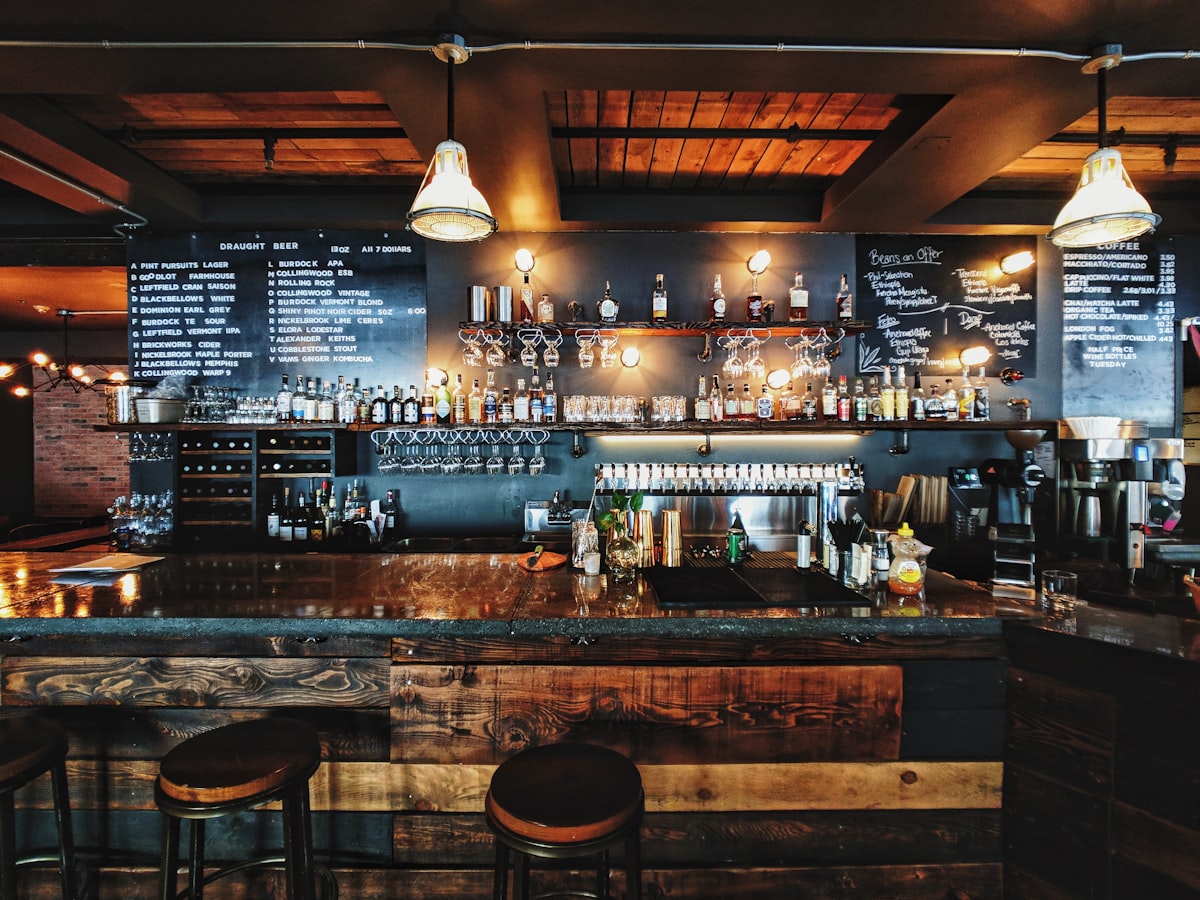
If you own a bar and you're wondering what it's worth, the first thing to know is this: a bar is not valued the same way as a restaurant. The broad method is similar — a multiple of earnings — but the details that move the number are different, and getting them wrong is how sellers either scare off buyers with a fantasy price or leave real money on the table.
Here's how bars, taverns, and nightclubs are actually priced, what makes one worth more than another, and the two things that trip up almost every first-time seller.
Want a quick ballpark first? Run your numbers through our free valuation calculator, then read on to understand what's driving the figure — and the bar-specific adjustments it doesn't capture.
The Core Method: A Multiple of SDE
Like restaurants, most independent bars sell for a multiple of SDE — seller's discretionary earnings, which is your net profit plus the owner's salary, benefits, and one-time add-backs. It's the total financial benefit the bar throws off for a single owner-operator, and it's the number price is built on. Not revenue. A bar doing $1.2M in sales with thin margins is worth less than one doing $800K with disciplined costs.
Independent bars and nightclubs generally trade in the 2×–2.5× SDE range — a bit tighter than the broader 1.5×–3× band for restaurants, because bar earnings lean heavily on alcohol sales and are more sensitive to the license, the lease, and the location. Well-run venues with clean books and a strong location push toward the top; chef- or owner-dependent concepts and shaky leases pull down.
What Makes a Bar Different: Two Big Adjustments
1. The liquor license can be the most valuable asset in the deal
This is the single biggest way bar valuation differs from restaurant valuation. In many states and cities, the number of full liquor licenses is capped by quota — so an existing, transferable license carries real standalone market value, sometimes tens of thousands of dollars or far more, entirely separate from the business's earnings.
What matters for your value:
- What type of license you hold — a full-liquor (spirits) license is worth dramatically more than beer-and-wine, and a late-night or entertainment endorsement adds value.
- Whether it transfers — and how hard the transfer is. Licensing rules are state- and often city-specific, and the transfer timeline can be the long pole in the whole sale.
- Whether it's capped or freely available in your jurisdiction. A quota license in a market where no new ones are issued is a genuine asset a buyer is paying for.
A profitable bar with a transferable full-liquor license in a capped market is worth meaningfully more than the same earnings would suggest on their own. A bar whose license doesn't convey, or is easy for anyone to obtain, loses that premium.
2. Inventory is added on top
Here's the one almost every seller forgets. The SDE multiple values the business as a going concern — the goodwill, the buildout, the fixtures and equipment are already baked into it. Do not add the equipment on top; it's already counted. But saleable inventory — the liquor, beer, and wine on hand — is typically added to the price at cost, because it's a real, liquid asset the buyer is purchasing separately. For a well-stocked bar, that can be a meaningful line on top of the business value.
The Value Drivers That Move Your Multiple
Within that 2×–2.5× band, where you land depends on the same fundamentals that drive any hospitality sale:
- Clean, provable books. Bars run more cash than most businesses, and unrecorded cash sales you can't document simply don't count toward value — a buyer (and their lender) prices what's on the books. Two to three years of records that reconcile with your POS is the difference between the top and bottom of the range.
- The lease. A long, transferable lease at a workable rent is one of the most valuable things you own. For bars, watch the rent-to-sales ratio — occupancy costs running well above the healthy range are a drag, and a landlord who won't consent to assignment can sink the deal entirely. See the lease terms worth fighting for.
- Location and crowd. A bar lives or dies on foot traffic, a loyal regular base, and the surrounding nightlife density. A proven, sticky crowd earns a premium.
- Concept transferability. A bar built around one charismatic owner or a single promoter is riskier to a buyer than one that runs on systems, recurring events, and a brand that will outlast the current owner.
The Two Mistakes That Wreck a Bar Sale
Pricing on revenue or on "what I put into it." "We do a million at the door" and "I spent $400K on the buildout" are the two fastest ways to scare off a serious buyer. Value is built on documented earnings plus the license and inventory — not gross sales, and not sunk cost. A $400K buildout may have modest resale value if it's specialized or worn.
Treating the license as an afterthought. The license is often the reason a bar is worth buying at all. Know exactly what you hold, whether it transfers, and start the transfer conversation early — it's frequently what determines whether a deal closes on time or drags for months.
How to Get Your Number — and Sell
Start with an honest earnings figure and a realistic multiple: our valuation calculator gets you a ballpark in seconds, and the full valuation guide walks through SDE, add-backs, and the drivers in depth. Then add the value of your transferable license and your inventory at cost on top — that's your realistic asking range.
When you're ready to sell, list where the buyers are actually looking. List your bar on ListingLedge — built exclusively for hospitality, confidential if you need it, so you can market discreetly without your staff, regulars, or competitors finding out. New to the process? Read how to sell confidentially and, if you're on the buying side, how to buy a restaurant or bar.
Frequently Asked Questions
How is a bar valued?
Most independent bars sell for a multiple of SDE (seller's discretionary earnings — net profit plus the owner's pay, benefits, and one-time add-backs), generally in the 2×–2.5× range, a bit tighter than the 1.5×–3× band for restaurants. Two bar-specific adjustments matter: a transferable liquor license can carry significant standalone value (especially in capped/quota markets) beyond the earnings multiple, and saleable inventory (liquor, beer, wine on hand) is added to the price at cost. Equipment and buildout are NOT added on top — they're already included in the going-concern multiple.
Is a bar worth more than a restaurant?
Not automatically — it depends on the same fundamentals (earnings, lease, location, books). But a bar can carry value a comparable restaurant doesn't: a full-liquor, transferable license in a market that caps the number of licenses is a real asset a buyer pays extra for. A beer-and-wine license, or one that's freely available to anyone, doesn't carry that premium.
How much is a liquor license worth when selling a bar?
It varies enormously by state and city. Where full 'quota' liquor licenses are capped and no new ones are issued, an existing transferable license can be worth tens of thousands of dollars or more on the open market, separate from the business's earnings. Where licenses are freely available, the license adds little standalone value. What matters most for your sale is the license type (full-liquor vs beer-and-wine, plus any late-night/entertainment endorsement) and whether it transfers to the buyer.
Do you add inventory and equipment when valuing a bar?
Different treatment for each. Equipment, fixtures, and the buildout are already included in the SDE multiple (it values the business as a turnkey going concern), so you do NOT add them on top — double-counting them is a common pricing mistake. Saleable inventory, though — the liquor, beer, and wine on hand — is typically added to the price at cost, because it's a real liquid asset the buyer purchases separately.
What's the biggest mistake when selling a bar?
Two, usually. First, pricing on revenue ('we do a million at the door') or on sunk cost ('I spent $400K on the buildout') instead of documented earnings plus license and inventory. Second, treating the liquor license as an afterthought — it's often the most valuable and most time-sensitive part of the deal. Know what you hold, confirm it transfers, and start that process early, because license transfer is frequently what determines whether a sale closes on time.
About the author
Written by the ListingLedge editorial team — we cover restaurant sales and leasing, commercial kitchens, event spaces, hotels, and hospitality operations. ListingLedge is the marketplace where hospitality businesses are bought, sold, leased, and booked.