Don't Buy the Concept, Buy the Space: How to See What a Restaurant Could Become
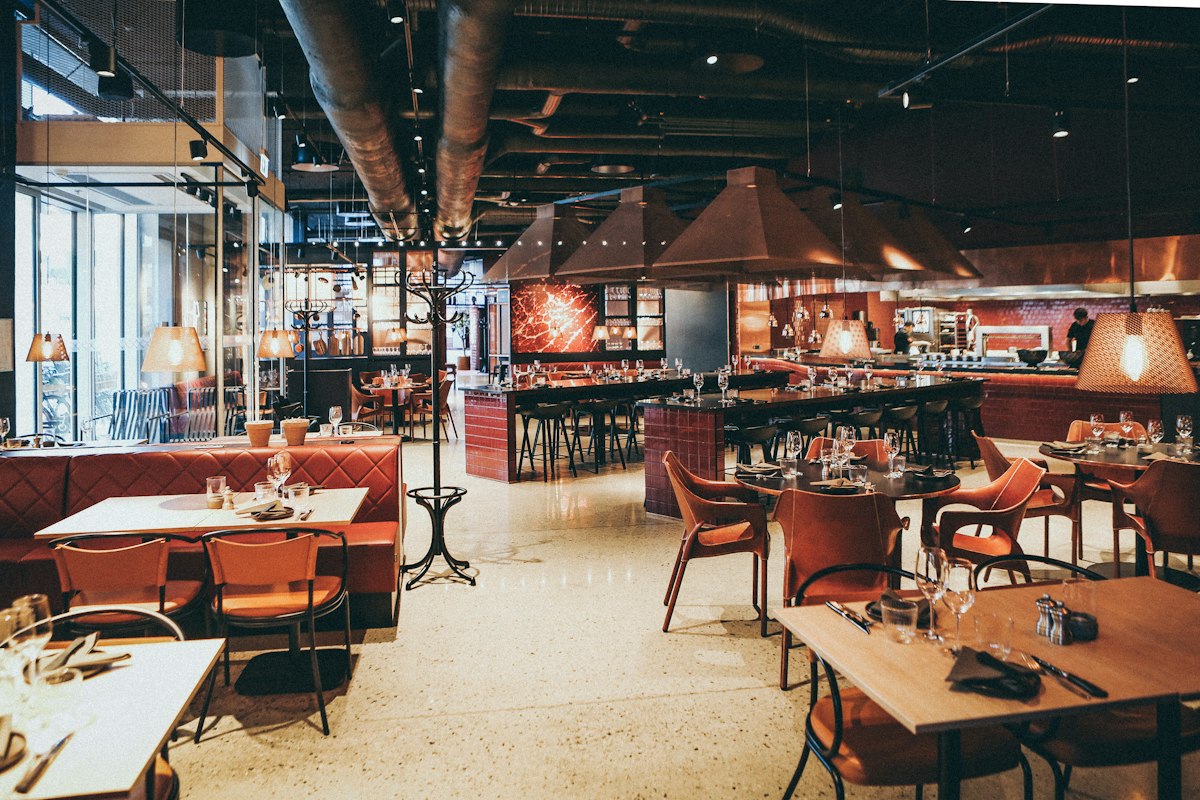
Here's a mistake I see buyers make constantly: they scroll past a great restaurant for sale because the current concept isn't the one they have in mind. "It's a sushi bar — I want to open a BBQ joint." "It's an Italian place — I'm doing tacos." So they keep scrolling, and they miss the deal. The truth is that most restaurant spaces aren't married to their current concept. The expensive bones — the hood, the grease trap, the gas, the plumbing, the walk-in, the dining room — are largely the same whether you're plating sushi or slinging brisket. Learn to look past the sign on the door, and you'll see twice as many opportunities as everyone else, often at better prices.
Why Most Restaurant Spaces Are More Flexible Than They Look
A working restaurant already contains the parts that cost the most time and money to build: a commercial exhaust hood, a grease trap, gas and electrical capacity, floor drains, plumbing, HVAC, a walk-in cooler, and a permitted, health-department-approved space. That infrastructure is concept-agnostic. It doesn't care whether the line cook is searing steaks or firing a wok. When you buy or lease an existing restaurant — especially a second-generation space (one that previously operated as a restaurant) — you're buying that infrastructure. The concept on top of it is the cheap, changeable part.
Think about what actually separates a sushi bar from a BBQ spot: the menu, the equipment specific to the cuisine, the branding, the finishes, and the signage. Those are real costs — but they're a fraction of what it takes to build a commercial kitchen from a bare "vanilla shell." The hard, expensive work is already done. You're changing the outfit, not rebuilding the body.
What Transfers, and What You Actually Change
Transfers to almost any concept: the hood and ventilation, grease trap, gas/electric service, plumbing and drains, the walk-in and prep space, restrooms, the dining room, and the permitted use. This is 70–80% of a build-out's cost and timeline, already in place.
What you change for your concept: concept-specific equipment (a smoker, a wok range, a pizza oven, an espresso setup), the menu and recipes, the branding and finishes, and the signage. Real money — but far less than starting from scratch, and far faster to open.
Be Honest: Not Every Space Fits Every Concept
Flexibility has limits, and a smart buyer checks the bones against their concept before falling in love. The things that actually constrain what a space can become:
- Hood size and ventilation. Heavy, high-heat, or smoky cooking (BBQ, wok-heavy Asian, grilling) needs serious exhaust and make-up air. A café's small hood won't support a steakhouse line.
- Grease trap and drainage capacity for high-volume or fryer-heavy concepts.
- Gas/electric capacity — a pizza oven or a full wok line pulls a lot of power or BTUs.
- Kitchen-to-dining ratio and square footage — a big prep-heavy concept needs kitchen; a bar concept needs floor and a liquor license.
- Zoning, permitted use, parking, and hours — especially for concepts with late-night or bar service.
- Exhaust/venting for specific cuisines (tandoor, heavy smoke) that landlords or codes may restrict.
So the rule isn't "any space becomes any concept." It's "far more spaces fit your concept than you'd think — check the infrastructure, not the current menu." A former sushi bar with a strong hood and good power can absolutely become a BBQ or Asian concept. A tiny café probably can't become a steakhouse. Match the bones to your plan.
How to Actually "See It"
The buyers who win are the ones who can walk into a space that looks nothing like their dream and picture it as theirs. Stand in the dining room and imagine your concept — your colors, your layout, your energy. Look at the kitchen and ask "can this support my menu?" not "does this match my brand?"
And you don't have to imagine it alone. On ListingLedge, our See Potential tool lets you take any real listing and visualize it as your concept — a steakhouse, a café, a cocktail bar, a taqueria — right on the listing, with AI. It turns "I can't picture it here" into "oh, I can absolutely see it." It's the honest way to do exactly what smart buyers already do in their heads: look past the current concept to the space underneath.
The Buyer's Edge: Looking Past the Concept Saves You Money
Here's the real payoff. When you stop filtering by concept and start filtering by bones + location + price, two things happen. You see far more options — and you find the deals everyone else walked past. A "failed sushi place" priced to move, in a great location with a solid kitchen, could be the perfect, cheaper home for your BBQ concept. The current owner's concept struggling has nothing to do with whether yours will work there. You're not buying their idea. You're buying the space, the location, and the infrastructure — and bringing your own idea to it.
Want to see it in action? Browse restaurants for sale and try See Potential on a few — picture each one as your concept. And if you're not sure what a space is worth, start with our valuation guide and our guide to buying a restaurant. The best space for your concept might be the one that's currently something else entirely.
Frequently Asked Questions
Can a restaurant space be turned into a different type of restaurant?
Usually, yes. The expensive infrastructure — hood, grease trap, gas, plumbing, walk-in, dining room — is concept-agnostic and transfers to almost any cuisine. You mainly change concept-specific equipment, menu, branding, and finishes. The main limits are whether the hood/ventilation, power, and drainage can support your specific concept (heavy grilling, wok, or fryer-forward menus need more).
What is a second-generation restaurant space?
A 'second-gen' space is one that previously operated as a restaurant, so it already has the hood, grease trap, gas, plumbing, and often equipment in place. That infrastructure is 70–80% of a build-out's cost and time, which is why second-gen spaces are far cheaper and faster to open than a bare 'vanilla shell' — and why they adapt so easily to a new concept.
What limits what concept a restaurant space can become?
The main constraints are the exhaust hood size and ventilation (heavy or smoky cooking needs more), grease trap and drainage capacity, gas/electric capacity, the kitchen-to-dining ratio and square footage, and zoning/permitted use, parking, and allowed hours. Check the infrastructure against your concept's needs before committing — a strong-hood space flexes into far more concepts than a small café setup.
Should I consider a restaurant that doesn't match my concept?
Absolutely — and it's often where the best deals are. Filter by the space's bones, location, and price rather than its current menu. A struggling or closed restaurant in a great spot with a solid kitchen can be the ideal, lower-cost home for your concept. The previous owner's concept has little to do with whether yours will succeed there.
About the author
Written by the ListingLedge editorial team — we cover restaurant sales and leasing, commercial kitchens, event spaces, hotels, and hospitality operations. ListingLedge is the marketplace where hospitality businesses are bought, sold, leased, and booked.