Fine-Dining Restaurants for Sale in North Carolina: Inside a Turn-Key Charlotte & Raleigh Opportunity
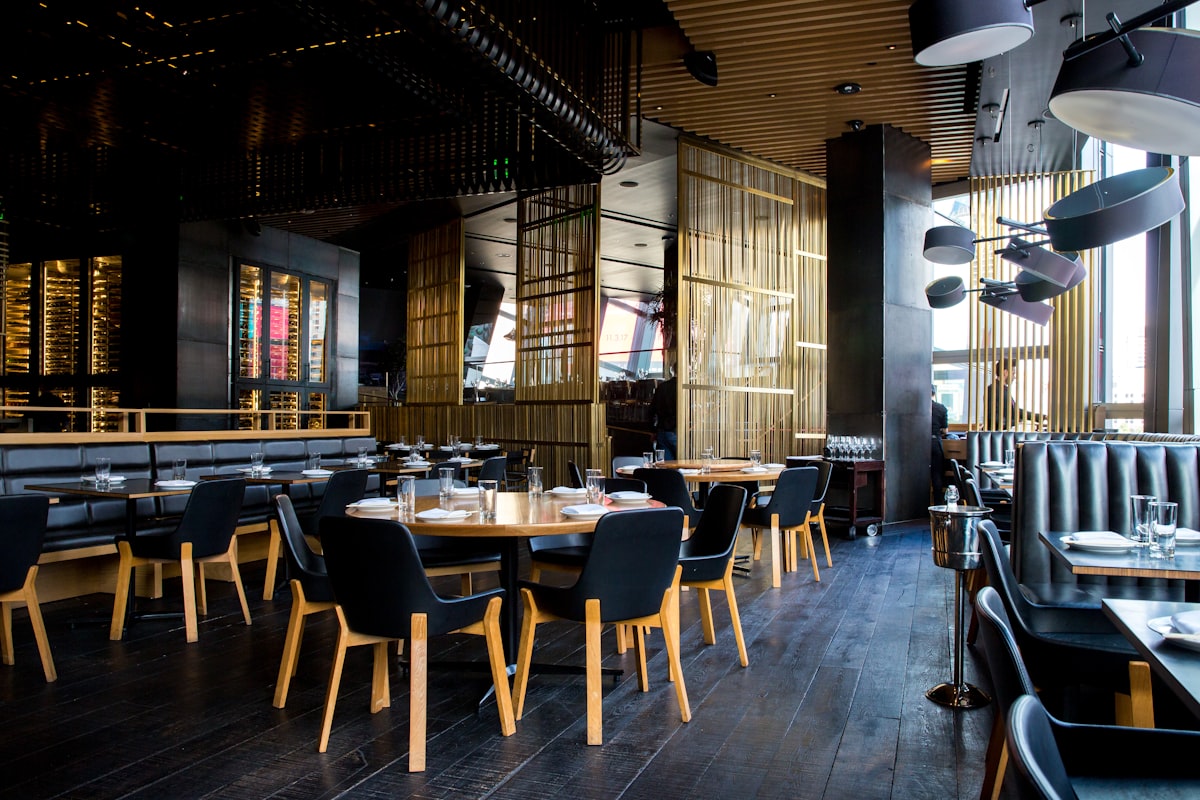
Most restaurants for sale are single locations. Every so often something rarer comes to market: an established, multi-unit fine-dining group, already built, already staffed, already running in affluent metros — the kind of platform an operator or investor would normally spend years and many millions assembling from nothing.
One is on ListingLedge right now — four upscale, full-service restaurants across Charlotte and Raleigh, North Carolina, offered confidentially as a cash-free, debt-free asset sale. We're not going to reveal the names or the numbers here — those are behind a confidentiality agreement, as they should be. Instead, let's use it as a lens for something more useful: how a serious buyer should think about acquiring an upscale restaurant group in North Carolina, and what separates a real opportunity from an expensive one.
Why Buy an Established Group Instead of Building One
Building a single fine-dining restaurant from a bare shell routinely runs into the millions before you serve a plate — kitchen, HVAC, hood systems, high-end finishes, furniture, private-dining A/V, permits, and months of pre-opening payroll. Then you wait years to find out whether the concept, the location, and the crowd actually work together. Multiply that by four and you understand why proven groups almost never trade.
Buying an established group flips the risk. You're acquiring:
- An operating track record — in this case a 14-year history, not a projection. The concept has already survived multiple economic cycles, which is the single hardest thing for any restaurant to prove.
- Trained teams and systems that come with the business, rather than a hiring problem you inherit on day one.
- Real, current cash flow from the first day of ownership — no dark months paying rent on a construction site.
- Multiple revenue centers — dinner service, a full bar, and dedicated private-dining rooms with A/V, which drive high-margin events and banquets on top of à la carte covers.
The "Below Replacement Cost" Test
Here's the number that matters most in a build-out-heavy category like fine dining. The featured North Carolina group was originally built at a cost of roughly $11.1 million, and replacing those build-outs at today's construction and equipment prices would run closer to $14 million. When an established, income-producing operation can be acquired for a fraction of what it would cost to reproduce the physical assets alone — before you even count the goodwill, the brand, or the trained staff — that gap is the opportunity.
This is the acquirer's version of the oldest rule in real estate: it is almost always cheaper to buy than to build, and the spread between purchase price and replacement cost is your margin of safety. For a high-finish, private-dining concept, that spread can be enormous, because so much of the original spend went into specialized construction a new operator would have to pay for all over again.
Why North Carolina, and Why This Corridor
Charlotte and Raleigh anchor one of the fastest-growing, most affluent stretches of the Southeast. The trade areas around these restaurants carry average household incomes around $182,000 — exactly the demographic that fills upscale dining rooms and books private events. Sustained in-migration, corporate relocations, and a deep base of professional households give fine dining in these markets a tailwind that many older metros simply don't have.
For a buyer, geography spread across two thriving metros is also a hedge: you're not betting the whole acquisition on a single neighborhood's foot traffic. If you're weighing the market more broadly, our guide to the North Carolina restaurant market — Charlotte, the Triangle, the Triad, and the mountains lays out the regional picture from the seller's side, which is worth understanding before you make an offer.
What to Evaluate Before You Commit
A multi-unit fine-dining acquisition rewards disciplined diligence more than almost any other hospitality deal, because there are four of everything. Focus your review on:
- The leases. These locations are leased, not owned, so the value of the deal lives partly in the lease terms — remaining length, renewal options, rent escalations, and, critically, whether the landlord will consent to assignment. A great concept on a short or non-transferable lease is a very different purchase. See the lease terms worth scrutinizing.
- Portfolio-level books. You want clean, provable financials for each unit and the group — so you can see which locations carry the profit and which lean on the others. That's why the financials sit behind a CA: they're the heart of the deal.
- Concept and management transferability. Does the group run on systems, recurring events, and a brand that outlasts the current owner — or on one founder's presence? Turn-key, systems-driven operations command a premium precisely because a new owner can step in without the wheels coming off.
- The liquor licenses and permits for each location, and how they transfer. In hospitality, license transfer is frequently the long pole that determines whether a deal closes on schedule.
Work through our full restaurant due-diligence checklist before you're deep in negotiations — and if this is your first acquisition at this scale, start with how to buy a restaurant.
How to Look at the Actual Opportunity
The confidential details — asking price, revenue, and profitability by location — are available to qualified buyers who sign a confidentiality agreement directly on the listing. That's standard for a deal of this kind: it protects the staff, guests, and competitive position of businesses that are still operating every night. (If you're a seller wondering how that works, here's how to sell a restaurant confidentially.)
If acquiring an established, turn-key upscale group in two of the Southeast's strongest markets fits your thesis, view the full confidential listing on ListingLedge and sign the CA to unlock the financials. And if you're hunting more broadly, you can browse every restaurant for sale on ListingLedge — built exclusively for hospitality, with confidential listings you won't find on a general business-for-sale site.
Frequently Asked Questions
Are there fine-dining restaurants for sale in North Carolina?
Yes. Established upscale and fine-dining restaurants come up for sale across North Carolina, including in high-growth metros like Charlotte and Raleigh. Multi-unit groups are rarer than single locations — as of this writing, a confidential four-restaurant upscale group across Charlotte and Raleigh is listed on ListingLedge as a cash-free, debt-free asset sale, with financials available to qualified buyers who sign a confidentiality agreement.
Is it cheaper to buy an existing restaurant or build a new one?
For fine dining, buying an established operation is almost always cheaper than building, because so much of a high-end restaurant's cost is specialized construction — kitchens, hood systems, finishes, and private-dining A/V. When a proven, income-producing group can be acquired for a fraction of its replacement cost (for example, a build originally costing about $11.1 million that would cost roughly $14 million to replace today), the gap between purchase price and replacement cost is the buyer's margin of safety — and you also skip the years of risk it takes to prove a new concept works.
What should I check before buying a multi-unit restaurant group?
Focus on four things across every location: the leases (remaining term, renewal options, rent escalations, and whether the landlord will consent to assignment), clean and provable books at both the unit and group level so you can see which locations carry the profit, concept and management transferability (does it run on systems or on one founder?), and the liquor licenses and permits and how they transfer. Because there are several of everything, disciplined, portfolio-level due diligence matters more here than in a single-location deal.
Why are the price and financials hidden on a confidential restaurant listing?
Confidential listings hide the name, exact location, asking price, and financials to protect a business that is still operating — so staff, regular guests, suppliers, and competitors don't learn it's for sale. Qualified buyers unlock the full details, including revenue and profitability, by signing a confidentiality agreement (CA) directly on the listing. It's standard practice for established restaurants and especially for higher-value, multi-unit deals.
About the author
Written by the ListingLedge editorial team — we cover restaurant sales and leasing, commercial kitchens, event spaces, hotels, and hospitality operations. ListingLedge is the marketplace where hospitality businesses are bought, sold, leased, and booked.