How to Sell a Restaurant in North Carolina: Charlotte, the Triangle, the Triad & the Mountains
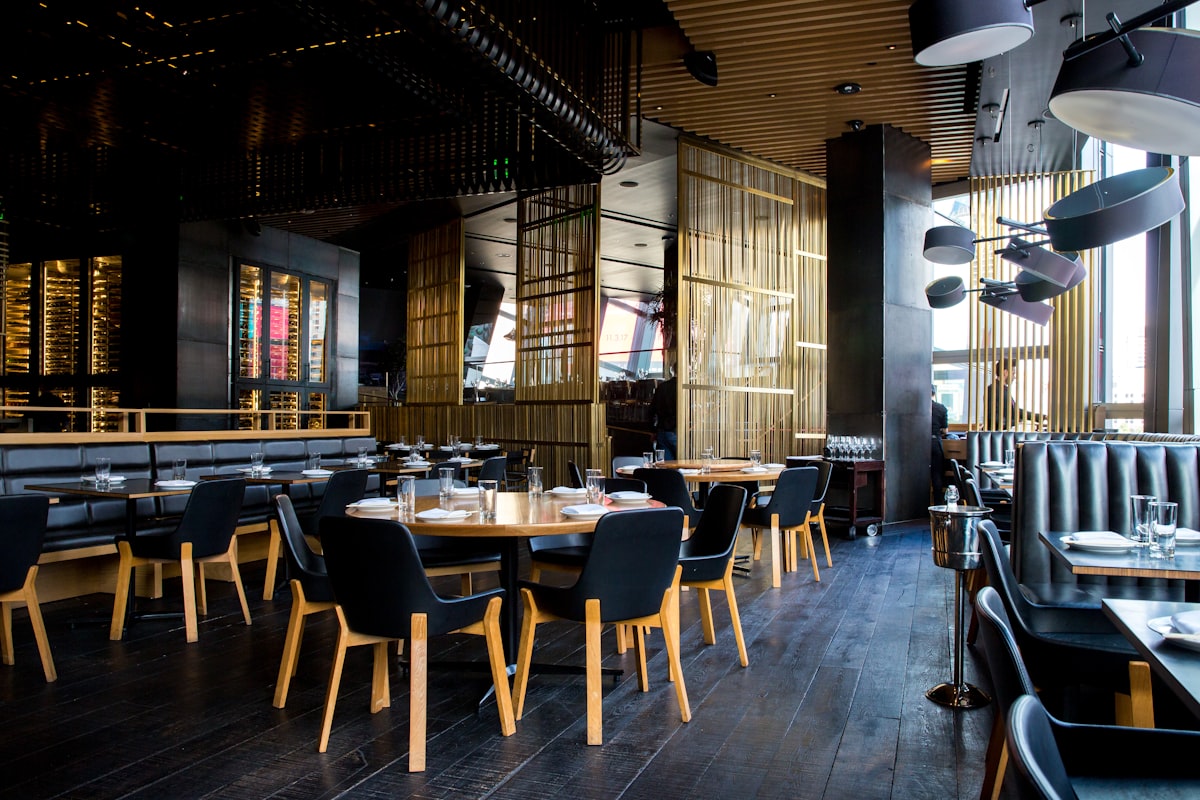
North Carolina is one of the best states in the country to be selling a restaurant right now. Charlotte and the Raleigh-Durham Triangle are among the fastest-growing metros in the U.S., Asheville has a nationally recognized food-and-beer scene, and steady population growth statewide means a deep pool of buyers. If you own a restaurant here and you're thinking about selling, here's what it's worth, how the process works, and how to reach the right buyer.
What Is Your North Carolina Restaurant Worth?
Most profitable independent restaurants sell for a multiple of SDE (seller's discretionary earnings — net profit plus the owner's salary and add-backs). Healthy North Carolina restaurants generally trade in the 1.5×–3× SDE range, with the multiple driven by clean, provable books, a long assignable lease at a workable rent, location, whether real estate is included, and how turnkey the space and licensing are. For the full method, see our restaurant valuation guide, and if debt or back taxes are in the picture, read how selling can clear it first.
The North Carolina Market, Region by Region
Charlotte
The state's largest and most active restaurant market — Uptown, South End, NoDa, and Plaza Midwood all draw strong buyer interest, backed by fast population and job growth. A banking-and-corporate base gives Charlotte steadier year-round demand than a tourism-only city.
The Triangle — Raleigh, Durham & Chapel Hill
Research Triangle Park, three major universities, and rapid in-migration make the Triangle one of the deepest buyer pools in the Southeast. Downtown Durham's food scene and downtown Raleigh are especially active.
The Triad — Greensboro, Winston-Salem & High Point
A more affordable, value-oriented set of markets with loyal local traffic — attractive to first-time owner-operators and buyers priced out of Charlotte or the Triangle.
Asheville & the Mountains
Asheville punches far above its size on food and craft beer, with heavy tourism driving demand. Restaurants here often sell on destination appeal and brand as much as raw numbers.
Wilmington & the Coast
Wilmington and the beach towns bring seasonal, tourism-driven cash flow. Present peak vs. off-season numbers clearly and buyers get comfortable quickly.
How a Restaurant Sale Works in North Carolina
- Get a realistic valuation — price on numbers, not emotion. Overpricing is the top reason a listing stalls.
- Organize your package — two to three years of tax returns and P&Ls, the lease, an equipment list, and a clear reason for selling.
- List where restaurant buyers look — a hospitality-specific marketplace, not generic classifieds.
- Sell confidentially if you don't want staff or regulars to know — here's how.
- Handle the NC specifics at closing: assign the lease, transfer the sales-tax registration with the NC Department of Revenue and county health permits, and address alcohol. North Carolina is a "control state" — mixed-beverage and ABC permits run through the NC ABC Commission and the local ABC board, and they generally don't transfer automatically, so the buyer applies. A closing attorney and your accountant coordinate it.
See our full guide to selling a restaurant for the step-by-step.
What North Carolina Buyers Want
- Clean, verifiable numbers.
- An assignable lease with real term left.
- A turnkey kitchen and dining room.
- Alcohol permits in order (often the hardest piece to replace).
- A reason for selling that makes sense.
List Your North Carolina Restaurant
Whether you're in Charlotte, the Triangle, the Triad, Asheville, or Wilmington, the fastest way to reach real buyers is to list where they're already looking. List your restaurant on ListingLedge — built exclusively for hospitality, confidential if you need it. Not sure of your number? Start with our valuation guide first. (Selling elsewhere in the region? See our guides for South Carolina and Georgia.)
Frequently Asked Questions
How much is my restaurant worth in North Carolina?
Most profitable independent North Carolina restaurants sell for roughly 1.5x to 3x SDE (seller's discretionary earnings). The multiple depends on how clean and provable your books are, the strength and length of your lease, your location and market (Charlotte and the Triangle command strong demand), whether real estate is included, and how turnkey the space and alcohol permits are.
How do alcohol licenses transfer when selling a restaurant in North Carolina?
North Carolina is a control state — mixed-beverage and ABC permits run through the NC ABC Commission and the local ABC board. They generally do not transfer automatically, so the buyer typically must apply. Handle this alongside the lease assignment and sales-tax/health-permit transfers at closing.
What are the strongest restaurant markets in North Carolina?
Charlotte (Uptown, South End, NoDa, Plaza Midwood) and the Raleigh-Durham-Chapel Hill Triangle are the deepest, fastest-growing buyer markets. Asheville is a nationally known food-and-beer destination, while the Triad (Greensboro, Winston-Salem) and Wilmington offer more affordable, locally driven opportunities.
Can I sell my North Carolina restaurant confidentially?
Yes. A confidential (blind) listing hides your restaurant's name and exact address, shows only the general area and financial ranges, and reveals details only after a serious buyer signs an NDA — so your restaurant keeps running normally while you find the right buyer.
About the author
Written by the ListingLedge editorial team — we cover restaurant sales and leasing, commercial kitchens, event spaces, hotels, and hospitality operations. ListingLedge is the marketplace where hospitality businesses are bought, sold, leased, and booked.