How Much Does It Cost to Lease a Restaurant Space? (2026)
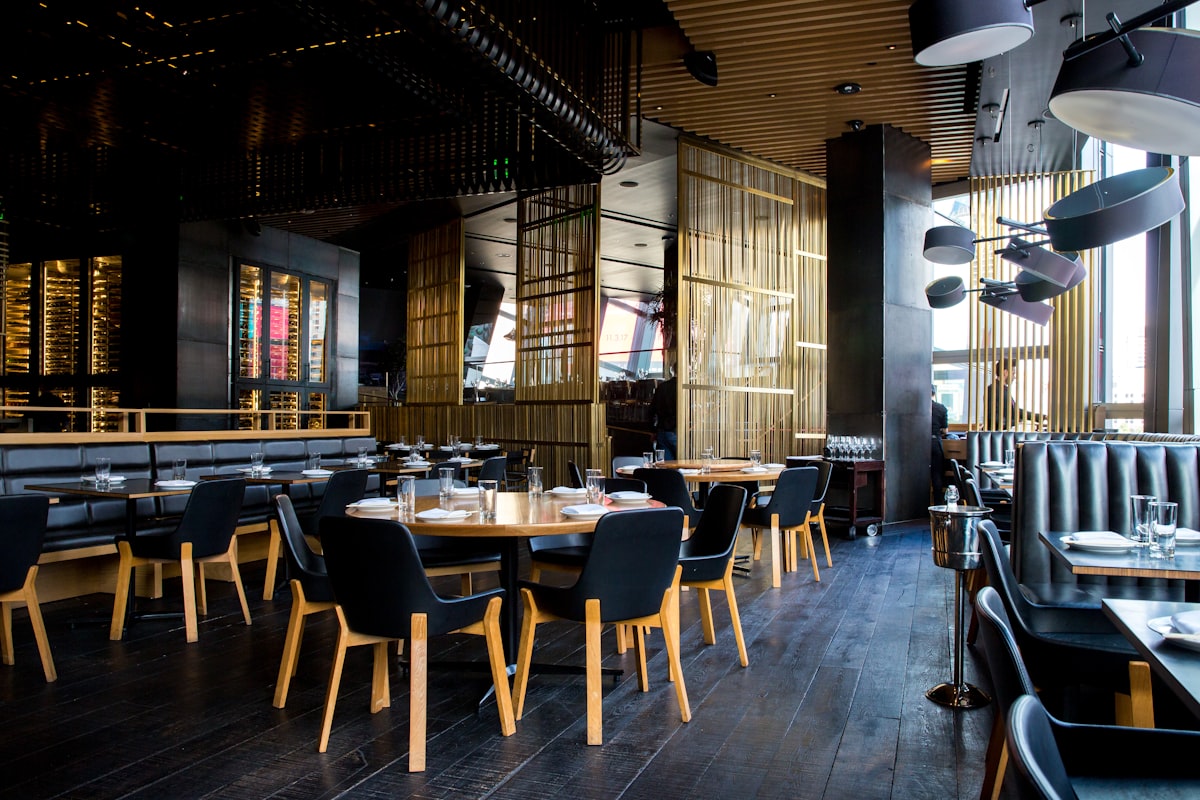
Leasing a restaurant space in 2026 typically costs $20–$60 per square foot per year in base rent, plus NNN (triple-net) charges of roughly $5–$15/sq ft — so a 2,500 sq ft space usually runs about $6,000–$16,000 per month all-in. But the monthly rent is only part of the real number: key money, a tenant-improvement (TI) allowance, security deposits, and build-out costs decide what it actually takes to get the doors open. Here's the full breakdown.
The 6 costs that make up a restaurant lease
1. Base rent ($/sq ft/year)
Quoted per square foot per year and paid monthly. Typical restaurant base rent runs $20–$60/sq ft depending on market and location — a suburban strip center is at the low end; a prime downtown or high-foot-traffic corner is at the high end. Formula: (sq ft × rate) ÷ 12 = monthly base rent. A 2,000 sq ft space at $30/sq ft = $5,000/month base.
2. NNN (triple-net) charges
Most restaurant leases are triple-net, meaning on top of base rent you pay your share of property taxes, insurance, and common-area maintenance (CAM) — commonly $5–$15/sq ft/year. Always ask whether a quoted rate is "gross" (includes these) or "NNN" (added on top); it's the single biggest source of sticker shock for first-time restaurant tenants.
3. Key money (lease buyout)
For a desirable second-generation space — one that already has a kitchen, hood, and grease trap — a seller or existing tenant may charge key money to take over the lease and equipment. It's a one-time, upfront payment that can range from a few thousand dollars to six figures, and it's often worth it: inheriting a built-out kitchen can save far more than the key money costs.
4. TI allowance (money in your favor)
A tenant-improvement allowance is money the landlord contributes toward your build-out, usually quoted per square foot. It's negotiable and it directly lowers your out-of-pocket cost — for a raw or "warm shell" space, a strong TI allowance can be the difference between a viable deal and an impossible one.
5. Security deposit & first costs
Expect a security deposit of 1–3 months' rent, plus first month's rent up front, and often a personal guarantee on the lease. Budget for utility deposits too.
6. Build-out
The wild card. A second-generation restaurant space (already outfitted for food service) can open for a fraction of the cost of a raw space, where a full kitchen build — hood, grease trap, HVAC, plumbing, electrical — can run six figures. This is why second-gen space is the smartest way to control lease-side cost.
So what's the all-in number?
For a typical 2,500 sq ft second-generation restaurant space in a mid-size Southeast market, a realistic first-year cost looks like: base rent + NNN of roughly $8,000–$14,000/month, a security deposit of 1–3 months, possible key money, and modest build-out — versus a raw space, where build-out alone can dwarf a year of rent. The lesson: the cheapest listed rent is rarely the cheapest space to actually open.
How to keep the cost down
- Start with second-generation space — you inherit the expensive kitchen infrastructure. Here's how to find one and what to check.
- Negotiate the TI allowance and free rent — these are where real savings live. Free rent vs. TI allowance, explained.
- Understand the personal guarantee before you sign — it follows you home.
- Compare real listings so you know the market rate — browse restaurant spaces for lease.
Every restaurant-for-lease listing on ListingLedge states what its price includes, so you can compare the true all-in cost — not just the headline rent.
Reader poll
What's the scariest line item when leasing a restaurant space?
Tap an answer to vote and see what others think.
Frequently Asked Questions
How much does it cost to lease a restaurant space in 2026?
Base rent for restaurant space typically runs $20–$60 per square foot per year, plus NNN (triple-net) charges of about $5–$15/sq ft for taxes, insurance, and common-area maintenance. For a 2,500 sq ft space that's roughly $6,000–$16,000 per month all-in, before one-time costs like security deposit, key money, and build-out.
What does NNN (triple-net) mean on a restaurant lease?
Triple-net means that on top of base rent you pay your share of the property's taxes, insurance, and common-area maintenance — commonly $5–$15 per square foot per year. Always confirm whether a quoted rate is 'gross' (includes these) or 'NNN' (added on top), because it substantially changes your true monthly cost.
What is key money in a restaurant lease?
Key money is a one-time upfront payment to take over a desirable lease and its existing build-out — most common for second-generation restaurant space that already has a kitchen, hood, and grease trap. It can range from a few thousand dollars to six figures, and it's often worth it because inheriting a built-out kitchen saves far more than a raw build-out would cost.
Is it cheaper to lease a second-generation restaurant space?
Usually, yes — in total cost. A second-generation space is already outfitted for food service (kitchen, hood, grease trap, HVAC), so you avoid a build-out that can run six figures on a raw space. The listed rent may be similar or slightly higher, but the all-in cost to actually open is typically far lower.
What is a TI allowance?
A tenant-improvement (TI) allowance is money the landlord contributes toward your build-out, usually quoted per square foot. It's negotiable and directly reduces your out-of-pocket cost — a strong TI allowance can make a raw or warm-shell space financially viable.
About the author
Written by the ListingLedge editorial team — we cover restaurant sales and leasing, commercial kitchens, event spaces, hotels, and hospitality operations. ListingLedge is the marketplace where hospitality businesses are bought, sold, leased, and booked.