How to Market a Restaurant Space for Lease (So It Actually Becomes a Restaurant)
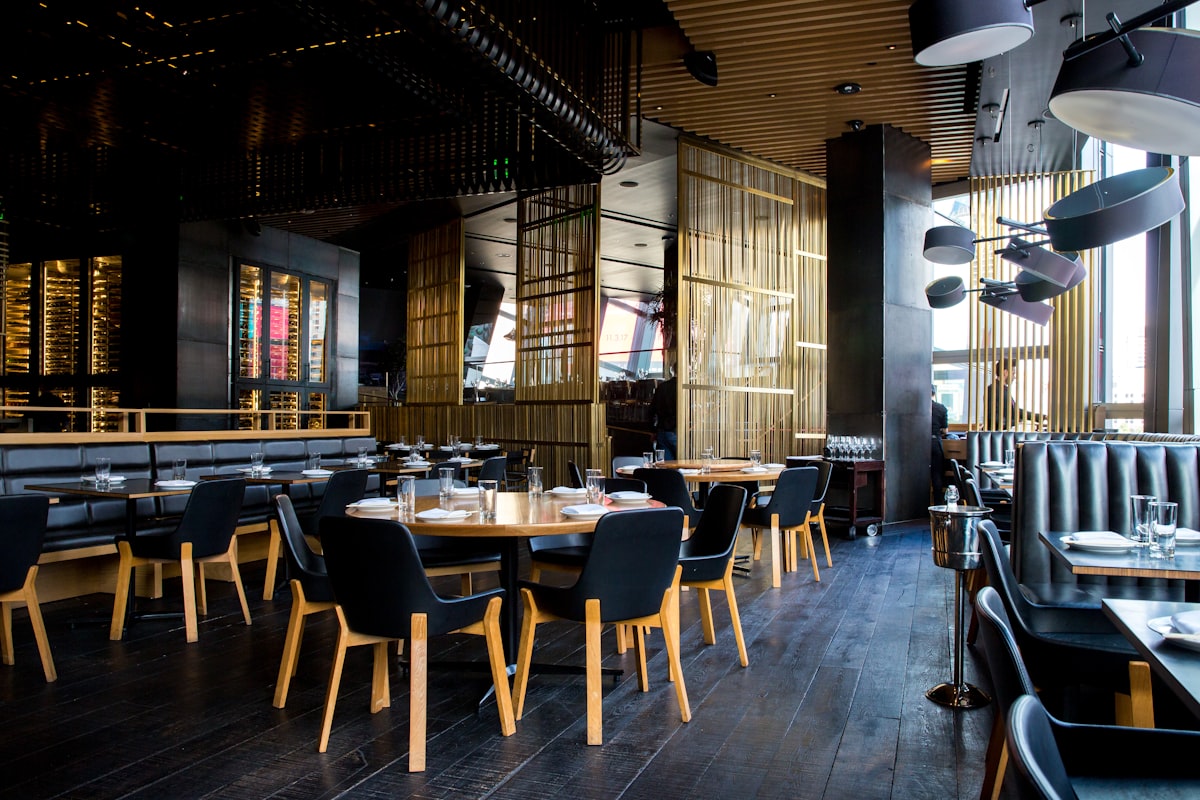
An empty restaurant space is one of the hardest things in commercial real estate to lease — and one of the most valuable when you get it right. The mistake most listings make is treating it like any other vacancy: square footage, a rate, a few dark photos. Restaurant tenants don't think in square feet. They think, "Can I open my concept here, and how much will it cost me to get the doors open?" Market to that, and a space that's been sitting for months can lease in weeks.
First, know exactly what you're offering
"Restaurant space" means three very different things to a tenant, and naming it correctly attracts the right operator instead of wasting everyone's time:
- Dark / gray shell — an empty box. Bare walls, no kitchen, sometimes no HVAC or restrooms built out. Cheapest rent, but the tenant funds the entire buildout. Attracts well-capitalized operators or franchises with a TI budget.
- Warm / vanilla shell — HVAC, restrooms, basic electrical and a finished ceiling/floor already in. Closer to move-in, but still no commercial kitchen. Attracts operators who want to design their own kitchen.
- Second-generation restaurant space — a former restaurant with the hood, grease interceptor, walk-in, and gas already there. This is gold: it can save a tenant six figures and months of permitting. If you have it, lead with it. (More on why in the case for second-generation space.)
Lead with the restaurant, not the real estate
The single biggest shift: stop describing the box, and start helping the tenant picture the restaurant. A listing that says "2,400 SF end-cap, $32/SF NNN" is invisible. A listing that says "Turnkey second-gen restaurant with a 12-ft Type I hood, 1,000-gal grease trap, walk-in cooler, existing patio, and parking for 40 — ready for your concept" gets the phone ringing. Same space. One reads as a vacancy; the other reads as an opportunity.
Show the specs restaurant tenants actually screen for
Restaurant operators disqualify spaces fast when the critical infrastructure isn't listed. Put these up front — their absence is what makes a space "dark," and their presence is what makes it valuable:
- Ventilation: Type I hood / Ansul system (or the shaft and roof capacity to add one)
- Grease interceptor and its size
- Gas service and electrical amperage — can it run a real kitchen line?
- Walk-in cooler/freezer, floor drains, and existing plumbing rough-ins
- Patio, drive-thru potential, parking count, and delivery/loading access
- Zoning and permitted use — is a restaurant (and alcohol) allowed by right, or does it need a variance? Prior use matters.
Your TI allowance is your best marketing tool
For a dark or warm shell, the tenant improvement (TI) allowance often matters more than the rent. A restaurant buildout can run $150–$400+ per square foot, so a landlord willing to contribute — or offer free rent during buildout — will lease faster and to a stronger operator than one holding out for a higher rate. Spell out the TI package in the listing; it's a headline, not fine print. (See free rent vs. TI allowance for how to structure it.)
Put it where restaurant people are actually looking
This is where most restaurant spaces quietly lose. On a general commercial-real-estate portal, your restaurant space sits between an office suite and a warehouse, seen mostly by tenant reps and investors — not by the chef, the multi-unit operator, or the first-time owner who's specifically hunting for a place to open a restaurant. When your space is listed alongside other restaurants, in front of an audience that came looking to open or expand a restaurant, it stops being a generic vacancy and starts being their future restaurant. That's the whole idea behind listing restaurant real estate on a hospitality-focused marketplace: same space, restaurant-intent audience.
Photos and a story close the deal
Bright, wide photos of the dining room, the kitchen line, the hood, the patio, and the street presence do more than any spec sheet. If it's a raw shell, show the bones that make it work — the hood shaft, the panel, the frontage — and describe the concept it's built for. Give the operator a vision to step into.
The bottom line
A restaurant space leases fastest when you stop selling square footage and start selling the restaurant it's about to become. Name the shell type honestly, lead with the kitchen infrastructure, make the TI package a headline, and list it where restaurant operators are already searching. Do that and your vacancy reads as an opportunity — because to the right tenant, that's exactly what it is.
Have a restaurant space — or a space with restaurant potential — to lease? List it on ListingLedge, where operators come looking for their next restaurant. You keep your fee and your branding, and tenants reach you directly.
Reader poll
Leasing out a restaurant space — what's the hardest part?
Tap an answer to vote and see what others think.
Frequently Asked Questions
What's the difference between a dark shell, a warm shell, and second-generation restaurant space?
A dark (or gray) shell is an empty box — bare walls, often no HVAC, restrooms, or kitchen — where the tenant funds the entire buildout. A warm (or vanilla) shell already has HVAC, restrooms, and basic electrical, but no commercial kitchen. Second-generation restaurant space is a former restaurant that still has the hood, grease interceptor, walk-in, and gas service in place, which can save a new tenant six figures and months of permitting. Naming the type correctly in your listing attracts the right operator.
How do you attract a restaurant tenant to a space for lease?
Lead with the restaurant potential rather than the square footage: list the kitchen infrastructure (Type I hood, grease interceptor, gas and electrical capacity, walk-in, floor drains), the patio, parking and access, and the zoning/permitted use. Make any tenant-improvement (TI) allowance or free-rent period a headline. Use bright, wide photos, and list the space where restaurant operators are actually searching — on a restaurant-focused marketplace rather than buried among office and retail on a general portal.
Is a tenant-improvement (TI) allowance worth offering on a restaurant space?
Usually yes. A restaurant buildout can cost $150–$400+ per square foot, so for a dark or warm shell the TI allowance often matters more to a tenant than the rent itself. A landlord who contributes to the buildout — or offers free rent during construction — typically leases faster and lands a stronger, better-capitalized operator than one holding out for a higher rate. Spell the TI package out clearly in the listing.
Can I list a space that isn't a restaurant yet but could become one?
Yes. A space with restaurant potential — the right zoning, ventilation capability, power, and access — is exactly what many operators are hunting for. The key is to present it as a future restaurant: describe the infrastructure that makes it work, the concept it suits, and what buildout it would need. Listing it alongside other restaurants, in front of a restaurant-intent audience, positions it as an opportunity rather than a generic vacancy.
About the author
Written by the ListingLedge editorial team — we cover restaurant sales and leasing, commercial kitchens, event spaces, hotels, and hospitality operations. ListingLedge is the marketplace where hospitality businesses are bought, sold, leased, and booked.