How to Sell a Restaurant in South Carolina: The Lowcountry, Grand Strand, Midlands & Upstate
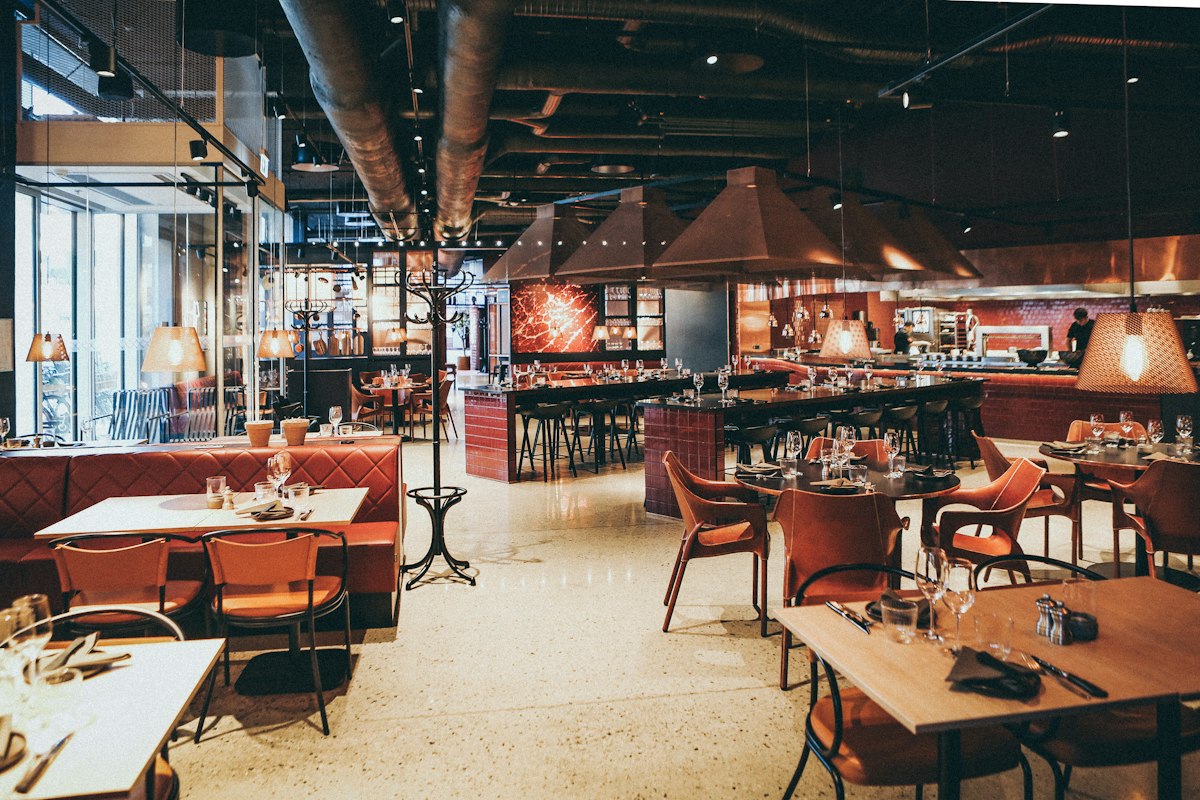
South Carolina is one of the Southeast's most active hospitality markets — from the historic dining rooms of downtown Charleston to the Grand Strand's seasonal beach traffic, the growing Midlands around Columbia, and the fast-rising Upstate food scene in Greenville. If you own a restaurant here and you're thinking about selling, the good news is there are real, motivated buyers in this state. The trick is knowing what your business is worth, running the sale the right way, and getting in front of the right people. Here's how.
First, What Is Your South Carolina Restaurant Worth?
It's the question every owner asks first, so let's start there. Most profitable independent restaurants sell for a multiple of SDE (seller's discretionary earnings — roughly your net profit plus the owner's salary and perks addded back). In practice, healthy South Carolina restaurants typically trade in the range of 1.5× to 3× SDE, with the multiple driven by things like:
- Provable, clean books. Tax returns and P&Ls that match your story move the multiple up. Cash businesses that can't document earnings sell for less.
- The lease. A long, assignable lease at a fair rent is one of the most valuable things you can offer a buyer. A short or expiring lease drags value down hard.
- Location and market. A Charleston peninsula or Greenville downtown spot commands more than a struggling strip-center location.
- Whether real estate is included. Selling the business is very different from selling the business and the building — the second is a much larger number.
- Turnkey condition. A clean, well-equipped kitchen a buyer can operate day one is worth a premium over a project.
For a full walkthrough of the math, start with our restaurant valuation guide. And if you're carrying debt or back taxes, read how selling can clear it before it grows — timing matters.
The South Carolina Market, Region by Region
SC isn't one market — it's four distinct ones, each with its own buyer pool and dynamics.
The Lowcountry — Charleston, Mount Pleasant, Summerville, Beaufort, Bluffton & Hilton Head
The Charleston metro is the state's marquee restaurant market — a nationally known food city with strong tourist and local demand, which means a deeper bench of buyers and, often, stronger multiples. Mount Pleasant, West Ashley, Summerville, and Johns Island are all active. Farther south, Beaufort, Bluffton, and Hilton Head draw a steady flow of retirees and second-home owners, and their restaurants sell on lifestyle appeal as much as numbers. Lowcountry buyers range from first-time owner-operators to established groups looking to add a location.
The Grand Strand — Myrtle Beach, North Myrtle Beach, Murrells Inlet, Pawleys Island & Conway
The Grand Strand is a seasonal beach economy, and that shapes everything. Restaurants here can throw off strong summer cash flow, and buyers know to underwrite the off-season. Well-run spots in Myrtle Beach, Murrells Inlet's "restaurant row," and the quieter, upscale Pawleys Island market change hands regularly. If your numbers are seasonal, presenting them clearly — peak vs. shoulder vs. off-season — is the difference between a confident buyer and a nervous one.
The Midlands — Columbia, Aiken, Sumter & Florence
Columbia's market is anchored by state government and the University of South Carolina, which gives it steadier year-round demand than the coast. It's a value market — often more affordable to buy into, with dependable local traffic. Aiken (horse country), Florence, and Sumter are smaller but real markets where a solid neighborhood restaurant with loyal regulars can be an attractive, well-priced acquisition for an owner-operator.
The Upstate — Greenville, Spartanburg, Anderson & Rock Hill
Greenville has one of the fastest-growing downtown food scenes in the Southeast, and buyer interest has followed. Spartanburg, Anderson, and Rock Hill (in the Charlotte orbit) round out an Upstate that's drawing new residents and new restaurant investment. Downtown Greenville locations in particular can command strong interest when the lease and numbers are right.
How a Restaurant Sale Works in South Carolina
- Get a realistic valuation. Price on the numbers, not emotion. Overpricing is the #1 reason a restaurant sits unsold.
- Organize your package. Two to three years of tax returns and P&Ls, your lease, an equipment list, and a clear story on why you're selling.
- List where restaurant buyers actually look — a hospitality-specific marketplace, not just a generic classifieds site.
- Sell confidentially if you need to. Most owners don't want staff, regulars, or competitors knowing. You can run a blind listing that hides your name and address until a serious buyer signs an NDA — here's how confidential restaurant sales work.
- Qualify buyers and negotiate. Serious buyers with the means to close — not tire-kickers.
- Handle the SC specifics at closing: assign or transfer the lease, transfer the SC retail sales-tax license and any DHEC/health permits, address the beer-and-wine or liquor license (South Carolina licenses run through the SC Department of Revenue and don't automatically transfer), and clear any liens from the proceeds. A closing attorney and your accountant keep this clean.
For the full step-by-step, see our guide to selling a restaurant.
What South Carolina Buyers Want to See
- Clean, verifiable numbers — the single biggest trust-builder.
- An assignable lease with real term left on it.
- A turnkey kitchen and dining room they can run without a gut renovation.
- A reason for selling that makes sense — retirement, relocation, a new venture. Buyers get nervous when the story doesn't add up.
- Licenses and permits in order, especially alcohol — it's often the hardest piece to replace.
Do You Need a Broker to Sell in SC?
Not legally — plenty of South Carolina restaurants sell owner-to-owner. But a hospitality-focused marketplace gets your listing in front of buyers who are specifically looking for a restaurant, lets you run the sale confidentially, and gives you AI-built marketing (a polished writeup, social posts, and a flyer) without the traditional broker taking a percentage of your deal. Whether you work with a broker or list it yourself, the key is reaching restaurant buyers — not the general public.
List Your South Carolina Restaurant
Whether you're in Charleston, Columbia, Greenville, Myrtle Beach, or a smaller SC market like Beaufort, Bluffton, Pawleys Island, Aiken, Florence, or Rock Hill, the fastest way to reach real buyers is to put your restaurant where they're already looking. List your restaurant on ListingLedge — built exclusively for the hospitality industry, confidential if you need it, with buyers actively searching for a restaurant like yours. Not sure of your number yet? Start with our valuation guide, then list when you're ready.
Frequently Asked Questions
How much is my restaurant worth in South Carolina?
Most profitable independent South Carolina restaurants sell for roughly 1.5x to 3x SDE (seller's discretionary earnings). The multiple depends on how clean and provable your books are, the strength and length of your lease, your location and market, whether real estate is included, and how turnkey the space is. A Charleston or downtown Greenville location with clean numbers and a long assignable lease commands the higher end.
How long does it take to sell a restaurant in South Carolina?
A well-priced, well-documented restaurant typically sells in a few months, though it varies by market and season. Overpricing is the most common reason a listing sits. Grand Strand (beach) restaurants can be seasonal, so timing the listing and presenting seasonal numbers clearly helps.
Can I sell my restaurant in SC without my staff or regulars finding out?
Yes. A confidential (blind) listing hides your restaurant's name and exact address, shows only the general market and financial ranges, and reveals details only after a serious buyer signs an NDA. Your restaurant keeps running normally while you find the right buyer.
What licenses transfer when I sell a restaurant in South Carolina?
Alcohol licenses in South Carolina run through the SC Department of Revenue and generally do not transfer automatically — the buyer typically must apply. The retail sales-tax license and DHEC/health permits also need to be handled, and the lease must be assigned or transferred. A closing attorney and your accountant coordinate these at closing.
Do I need a broker to sell my restaurant in South Carolina?
No — many SC restaurants sell owner-to-owner. The important thing is reaching buyers who are specifically looking for a restaurant. A hospitality-focused marketplace lets you list confidentially, reach real restaurant buyers, and market the listing without a broker taking a percentage of your deal.
About the author
Written by the ListingLedge editorial team — we cover restaurant sales and leasing, commercial kitchens, event spaces, hotels, and hospitality operations. ListingLedge is the marketplace where hospitality businesses are bought, sold, leased, and booked.