How to Sell a Restaurant in Florida: Miami, Orlando, Tampa Bay & the Gulf Coast
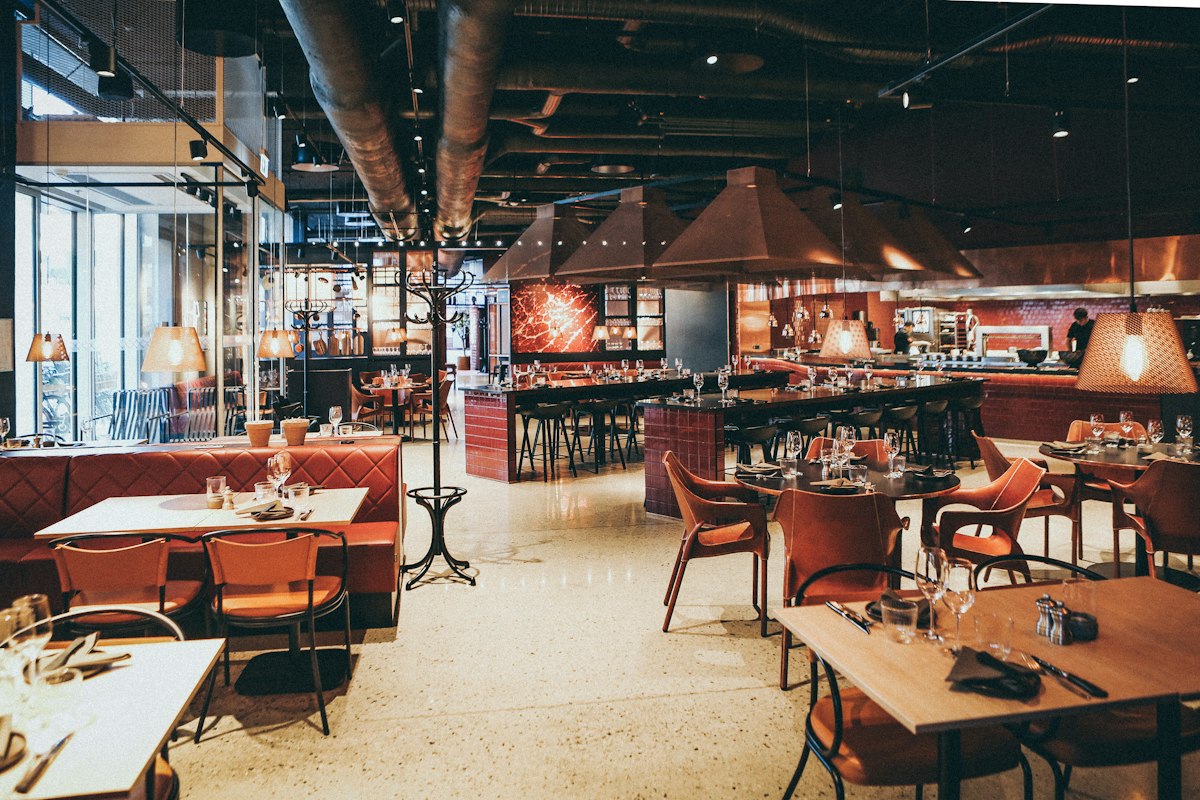
Florida is a powerhouse restaurant market: no state income tax, massive year-round tourism, and steady in-migration keep buyer demand strong from Miami to the Panhandle. There's also a Florida-specific wrinkle that can make your restaurant worth more than you think — the liquor license (more on that below). If you own a restaurant in Florida and you're thinking about selling, here's what it's worth, how the sale works, and how to reach the right buyer.
What Is Your Florida Restaurant Worth?
Most profitable independent restaurants sell for a multiple of SDE (seller's discretionary earnings — net profit plus the owner's salary and add-backs), generally in the 1.5×–3× SDE range. The usual drivers apply: clean books, a strong assignable lease, location, whether real estate is included, and turnkey condition. See our restaurant valuation guide for the full method, and how selling clears back taxes if that's a factor.
The Florida Liquor License Can Be a Real Asset
Here's what many sellers underestimate: Florida issues a limited number of full "quota" liquor licenses per county (the full-liquor 4COP-quota license), and because they're capped, they can carry significant standalone value on the open market — sometimes tens of thousands of dollars or more, depending on the county. If your restaurant holds a quota license, it may be one of the most valuable pieces of the sale. Beer-and-wine licenses are more freely available and don't carry the same premium. Either way, alcohol licensing in Florida runs through the state's Division of Alcoholic Beverages and Tobacco (part of DBPR), and it's worth understanding exactly what you hold before you price the business.
The Florida Market, Region by Region
South Florida — Miami-Dade, Broward & Palm Beach
Brickell, Wynwood, and South Beach in Miami, plus Fort Lauderdale and Palm Beach, form one of the most dynamic (and highest-rent) restaurant markets in the country, with deep buyer interest and a strong international dimension.
Orlando & Central Florida
Anchored by the theme-park tourism corridor and a fast-growing local population — high traffic and a broad buyer base.
Tampa Bay — Tampa, St. Petersburg & Clearwater
A booming, increasingly food-forward market (Tampa's Water Street, St. Pete's downtown) with strong momentum and more approachable rents than South Florida.
Southwest Florida & the Gulf Coast — Naples, Fort Myers & Sarasota
Affluent and seasonal, driven heavily by snowbird season. Restaurants here can generate excellent in-season cash flow — present seasonal numbers clearly.
Jacksonville & the Panhandle
Jacksonville offers a large, more affordable metro, while the Panhandle (Destin, 30A, Pensacola) is a seasonal beach market with strong summer demand.
How a Restaurant Sale Works in Florida
- Get a realistic valuation — including a clear-eyed value on your liquor license if it's a quota license.
- Organize your package — tax returns and P&Ls, the lease, an equipment list, license details, and a clear reason for selling.
- List where restaurant buyers look — a hospitality-specific marketplace.
- Sell confidentially if you don't want staff or regulars to know — here's how.
- Handle the Florida specifics at closing: assign the lease, transfer or re-apply the alcohol license through DBPR, register for sales tax with the Florida Department of Revenue, and transfer the DBPR restaurant (Hotels & Restaurants) license and any local permits. A closing attorney and your accountant coordinate it.
See our full guide to selling a restaurant for the step-by-step.
List Your Florida Restaurant
Whether you're in South Florida, Orlando, Tampa Bay, Jacksonville, or on the Gulf Coast, the fastest way to reach real buyers is to list where they're already looking. List your restaurant on ListingLedge — built exclusively for hospitality, confidential if you need it. Start with our valuation guide if you're not sure of your number. (Also see our guides for Georgia and South Carolina.)
Frequently Asked Questions
How much is my restaurant worth in Florida?
Most profitable independent Florida restaurants sell for roughly 1.5x to 3x SDE (seller's discretionary earnings), and if the business holds a limited full 'quota' liquor license, that license can add significant standalone value on top. The multiple depends on clean books, lease strength, location, real estate, and turnkey condition.
Is a Florida liquor license worth money when I sell?
It can be. Florida caps the number of full 'quota' liquor licenses (the 4COP-quota license) per county, so they can carry significant standalone market value — sometimes tens of thousands of dollars or more depending on the county. Beer-and-wine licenses are more freely available and don't carry the same premium. Understand exactly what you hold before pricing your restaurant.
What are the strongest restaurant markets in Florida?
South Florida (Miami-Dade, Broward, Palm Beach) is the most dynamic and highest-rent; Orlando's tourism corridor and booming Tampa Bay both have deep buyer pools; and Southwest Florida (Naples, Sarasota) is affluent and seasonal. Jacksonville and the Panhandle round out the state.
How do I transfer licenses when selling a Florida restaurant?
Alcohol licenses transfer or are re-applied through Florida's Division of Alcoholic Beverages and Tobacco (DBPR), the restaurant operating license runs through DBPR's Division of Hotels and Restaurants, and you'll register for sales tax with the Florida Department of Revenue. A closing attorney coordinates these with the lease assignment at closing.
About the author
Written by the ListingLedge editorial team — we cover restaurant sales and leasing, commercial kitchens, event spaces, hotels, and hospitality operations. ListingLedge is the marketplace where hospitality businesses are bought, sold, leased, and booked.